
Leak Warning Signs
Signs of a Leak in Your San Diego Home
Most leaks give a warning before they cause serious damage: a water bill that creeps up, a stain that spreads, a floor that feels warm, a smell that will not go away. This guide explains the signs San Diego homeowners and property managers should watch for, what each one can mean, and when it is time to call 1st Response Leak Detection.
- 24/7 Emergency Service
- 15+ Years Experience
- Licensed Contractor #1063131
- Serving San Diego County
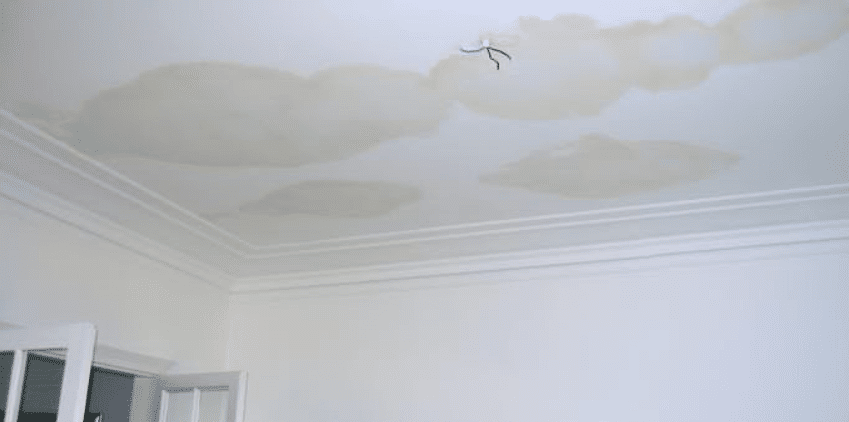
Ceiling stains are one of the most common leak signs
Quick Answer
What Are the Most Common Signs of a Leak?
Quick answer
The most common signs of a leak are an unexplained rise in your water bill, a water meter that keeps moving when all water is off, water stains or bubbling paint on walls and ceilings, damp or warped flooring, warm spots on a floor, the sound of running water when nothing is on, musty odors or mold, and lower water pressure. Any one of these is worth checking; several together usually point to a hidden leak.
Many leaks start inside a wall, under a concrete slab or above a ceiling, where they can run for weeks before anything shows on the surface. By the time a stain appears, the water has often traveled some distance from its source, which is why the place you see damage is not always where the leak is.
Catching a leak early is often the difference between a small, targeted repair and a much larger water damage problem. The sections below group the warning signs by where they show up in a property, explain what each one can point to, and link to the leak detection service that covers it.
If you see active water, water near electrical outlets or fixtures, or a ceiling that is sagging, treat it as an emergency: shut off the water at the main if you can do so safely and call us. We are available 24 hours a day.
Sign 1: Your Water Bill
A Higher Water Bill With No Explanation
If your household habits have not changed but your water bill keeps climbing, a hidden leak is one of the first things to rule out. The bill is often the earliest sign of a leak you cannot see, especially a slab leak or a leak in an underground supply line, because the water disappears into the ground instead of showing up indoors.
Compare against the same period last year
Water use changes with the season, landscape irrigation and the number of people in the home. Comparing a bill to the same billing period in a previous year is a fairer test than comparing it to last month.
Check your water meter
Turn off every faucet, fixture, appliance and irrigation zone, then look at the water meter. Many meters have a small leak indicator that turns whenever water is flowing. If the indicator or the dial keeps moving while nothing in the property is using water, water is going somewhere it should not. For a second check, write down the reading, avoid using any water for an hour or two, and read it again.
Rule out the obvious, then look for the hidden
A running toilet or a leaking sprinkler valve can raise a bill on its own, and leaks in irrigation lines are a common cause in San Diego landscapes. If those check out and the meter still moves, the leak is probably hidden. Our high water bill detection service traces where that water is going, and irrigation system leak detection covers sprinkler lines and valves.
Tell us what you have noticed and whether your meter moves with the water off. We will help you decide what to check first.
(619) 374-8554Or send a service request
Sign 2: Moisture You Can See
Visible Moisture, Mold and Damp Spots
When water escapes a pipe, a fixture or the building envelope, it usually shows up somewhere as moisture. These are the visible signs to look for inside a home or building.
- Puddles or damp spotsWater near fixtures, appliances or baseboards with no obvious spill.
- Mold or mildewGrowth in corners, behind furniture or under sinks.
- Peeling or bubbling paintPaint or wallpaper lifting as moisture builds behind it.
- Water stainsYellow or brown rings on ceilings and walls.
- Warped or lifting floorsCupped wood, loose tile or soft spots underfoot.
- Swollen cabinetsDamp or warped cabinet bases under sinks.
- Lingering humidityPersistent dampness or a muggy feel in one area.
- Rust or corrosionDiscolored pipes, valves or water heater fittings.
Mold needs moisture to grow, so mold that keeps coming back after cleaning usually means there is an ongoing water source. Finding and stopping that source comes first; moisture detection then shows how far water has spread through drywall, flooring and framing.
Sign 3: Floors & Foundation
Slab Leak and Floor Warning Signs
Many San Diego homes are built on concrete slab foundations, with water lines running through or beneath the slab. When one of those lines leaks, the water has little room to go anywhere except into the soil and the flooring above, so the signs show up underfoot.
- Warm spots on the floor. A leaking hot water line can warm the concrete above it. A patch of tile or flooring that feels warm when no heating is on is a classic slab leak sign.
- The sound of running water. Water moving under the floor or behind walls when every fixture is off.
- Damp flooring or carpet. Wet carpet padding, darkened grout or moisture along baseboards with no fixture nearby.
- Warped, cupped or lifting floors. Wood and laminate react to moisture coming up from below, and tiles may loosen or crack.
- A water heater that seems to run constantly. Hot water that runs out sooner than it used to can mean a hot water line is leaking.
- New cracks in flooring or walls. Cracks have many causes, but alongside other signs they are worth checking.
Combined with a rising water bill and a moving water meter, these signs point strongly toward a slab leak. Slab leak detection uses pressure testing, acoustic equipment and thermal imaging to locate the leak before any concrete is opened, which keeps the repair as small as possible.
Not sure which service you need? Describe what you are seeing and we will point you in the right direction.
(619) 374-8554Or send a service requestSign 4: Walls & Ceilings
Leak Signs on Walls and Ceilings
Supply lines, drains and appliance connections run through walls and between floors, and water from a roof or an upstairs unit travels down through ceilings. Thermal imaging leak detection can trace the moisture pattern behind these surfaces without opening them up. A sagging ceiling can give way, so keep people clear of it and call right away.
Ceilings
Water from a roof leak, an upstairs bathroom, HVAC equipment or a pipe in the ceiling cavity often shows up as a stain before anything drips.
- Yellow or brown rings and spreading stains
- Bubbling, cracking or sagging drywall
- Drips from light fixtures or vents
- Stains below bathrooms or HVAC equipment
Walls
Leaks inside a wall can run for a long time before they show, because drywall and insulation absorb the water and hide it.
- Peeling, bubbling or blistering paint
- Damp or soft drywall and swollen baseboards
- A musty odor in one room or closet
- Stains near sinks, showers and appliances
Sign 5: Roof, Rain & Windows
Signs of Roof, Rain and Window Leaks
San Diego gets most of its rain in a handful of winter storms, so roof, window and door leaks can go unnoticed for months and then appear all at once. Signs that show up during or right after rain point to water coming in from outside rather than from the plumbing.
- Stains that appear or darken after rain. Ceiling or wall stains that grow after a storm.
- Water around window frames. Damp sills, peeling paint below a window or water on the floor beneath it.
- Damp attic or top-floor ceilings. Wet insulation, stained roof sheathing or drips in the attic.
- Stains below balconies and decks. Water marks on the ceiling under a balcony or deck, or at the base of sliding doors.

Locate where water is getting through the roof and into the building.


Sign 6: Crawl Spaces
Crawl Space Leak Signs
Homes on a raised foundation have supply and drain lines running through the crawl space beneath the floor. Because few people ever go down there, a leak can continue unnoticed until it affects the floor above or the air inside the home.
- A musty or damp smell coming up through floor registers or from under the house.
- Standing water or wet soil in the crawl space, or water stains on joists and subflooring.
- Soft, sagging or bouncy floors above the crawl space.
- Higher indoor humidity or condensation that was not there before.
- Mold on framing or insulation under the floor.
- More pests than usual, since many are drawn to moisture.
Water in a crawl space can come from a leaking supply line, a drain or sewer line, or rain and irrigation runoff. Crawl space leak detection identifies which one it is, so the right problem gets fixed.
Not sure which service you need? Describe what you are seeing and we will point you in the right direction.
(619) 374-8554Or send a service requestSign 7: Drains & Odors
Sewer Line and Odor Warning Signs
Not every leak is clean water. A damaged sewer or drain line can leak wastewater into the soil, under a slab or into a crawl space, and the signs are usually smell and drainage problems rather than a visible stain.
- Sewer odors inside the home or in the yard with no obvious cause.
- Slow drains or gurgling in several fixtures at once.
- Recurring backups in toilets, tubs or floor drains.
- Soggy, sunken or unusually green patches of lawn along the path of the sewer line.
- Damp areas near the cleanout or along the foundation.
Sewer gas should not be ignored. Sewer odor detection helps find where odors are getting in, and a sewer camera inspection shows the inside of the line so a crack, separation, clog or root intrusion can be seen. When damage is found, sewer line leak repair is the next step.
Describe what you are noticing and where. We will help you work out what should be checked first.
(619) 374-8554Or send a service requestWhen to Call
When to Call a Leak Detection Specialist
Some leak signs can wait for a scheduled visit; others need attention right away. If you are not sure which applies, call and describe what you are seeing. For urgent situations, see emergency leak detection.
Call right away
These signs can mean fast-moving damage or a safety risk. Shut off the water at the main if you can do it safely, then call.
- Active water, flooding or a burst pipe
- A sagging or bulging ceiling
- Water near outlets, panels or light fixtures
- Sewage backing up into the property
- Water coming through a ceiling from a unit above
Schedule leak detection
These signs point to a hidden leak that is worth locating before it gets worse.
- A water bill that keeps rising
- A water meter that moves with all water off
- Warm spots, damp floors or the sound of running water
- Stains, peeling paint or recurring mold
- Musty or sewer odors
How Leaks Are Found
How We Confirm and Locate a Hidden Leak
Warning signs tell you something is wrong, but not exactly where. We use non-invasive detection equipment to confirm a leak and pinpoint its location, so repairs can be targeted instead of opening walls and floors to search.
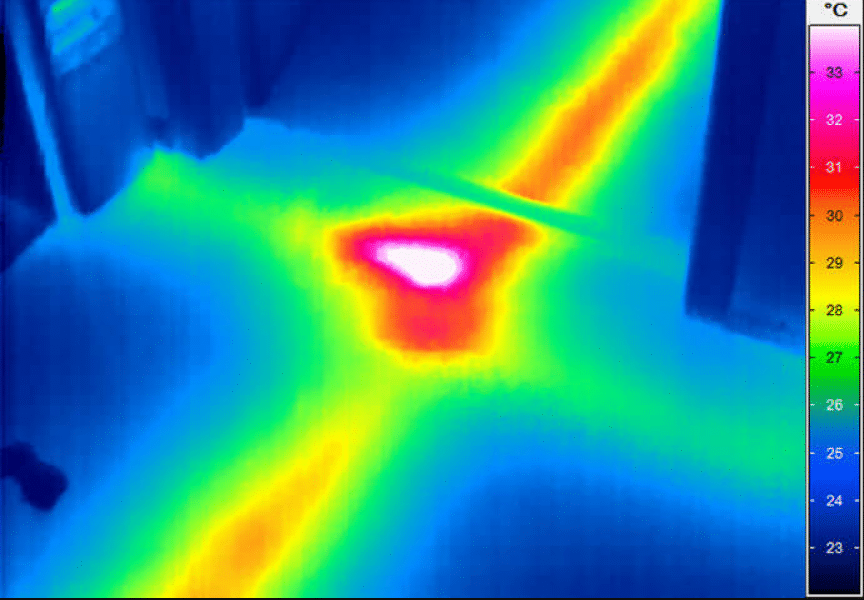
Thermal imaging traces moisture behind surfaces
Infrared Thermal Imaging
Follows the thermal signature water leaves behind walls, ceilings and floors, often the fastest way to trace a stain back toward its source.
Pressure Testing
Isolating and pressurizing sections of the plumbing shows whether a line is losing water and narrows down which line it is.
Acoustic Locating
Listening equipment picks up the sound of water escaping a pressurized pipe, helping pinpoint leaks under slabs and underground.
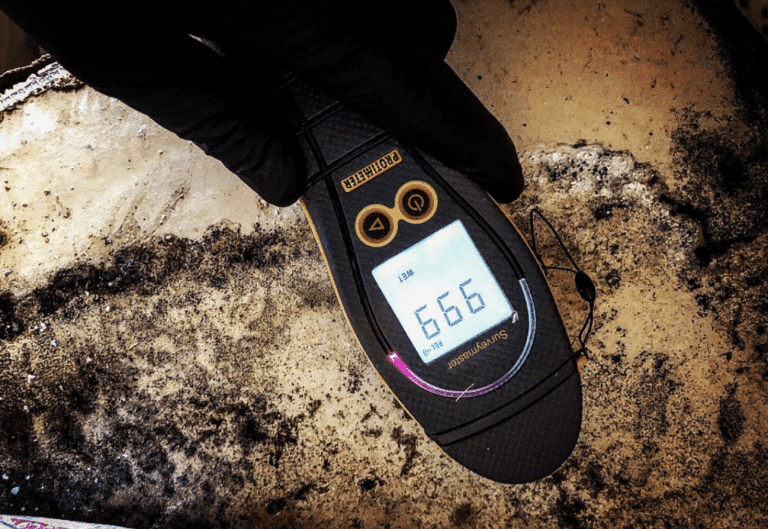
Moisture Mapping
Moisture meters and sensors measure how far water has spread through drywall, flooring and framing.
- Non-invasive methods before any repair
- Homes, apartments, HOAs and commercial properties
- Available 24/7 for emergencies
Leak Detection Services
Services Matched to the Signs You Are Seeing
Each warning sign points toward a different kind of leak. These are the services San Diego property owners most often need once they notice a sign.
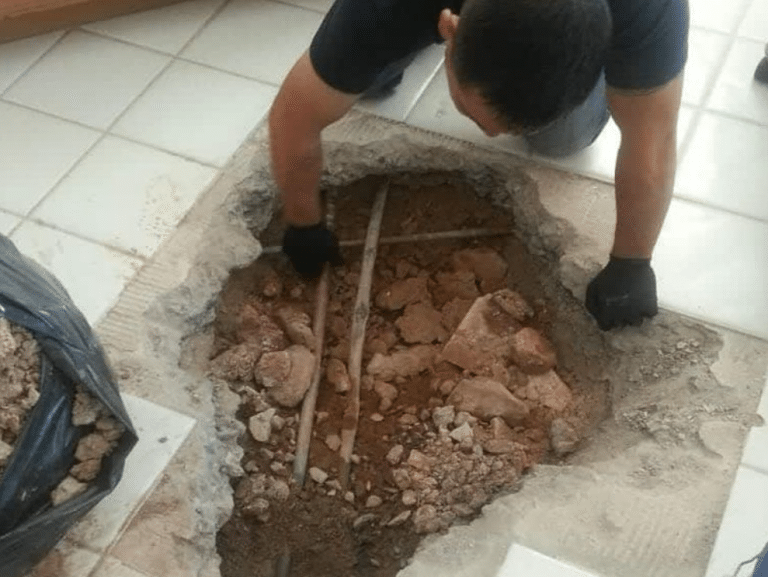


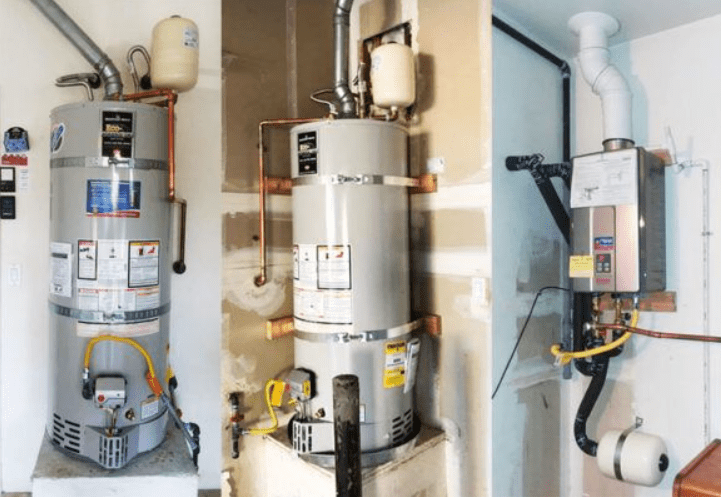


See all of our leak detection services.
Service Area
Leak Detection Across San Diego County
For over 15 years, 1st Response Leak Detection has helped homeowners, property managers, HOAs and businesses track down hidden leaks throughout San Diego County, from coastal communities to inland neighborhoods. If you are seeing any of the signs on this page, we can help.
- Carlsbad
- Encinitas
- Del Mar
- La Jolla
- Pacific Beach
- Mira Mesa
- Poway
- Santee
- Spring Valley
- Imperial Beach
150 neighborhoods and communities listed
FAQs
Questions About Leak Signs
Common questions about spotting a leak. More answers on our FAQs page.
Talk to a leak detection specialist now. We answer 24 hours a day.
(619) 374-8554
What are the first signs of a water leak?
Often the first sign is a water bill that rises without any change in how you use water. Other early signs include a water meter that moves when everything is off, a faint musty smell, or the sound of running water when no fixture is on.
How can I check for a hidden leak myself?
Turn off every faucet, appliance and irrigation zone, then watch your water meter. If the leak indicator or dial keeps moving, water is flowing somewhere. Writing down the reading and checking it again an hour or two later, with no water used, is a good second check.
Can I have a leak if I do not see any water?
Yes. Leaks under a concrete slab, in underground supply lines or inside walls can run for a long time without any visible water indoors. A rising bill or a moving meter may be the only sign.
Why does one spot on my floor feel warm?
A warm patch of floor, especially on a slab foundation, can mean a hot water line is leaking beneath it. It is worth having checked, particularly if your water heater also seems to run more than usual.
Is a musty smell a sign of a leak?
It can be. A persistent musty or damp odor in one room, closet or under the house often means moisture is collecting somewhere out of sight, such as inside a wall or in a crawl space.
Why does a ceiling stain keep coming back after I paint over it?
Paint covers the stain but not its cause. If the stain returns, water is still reaching that area, whether from a roof, a window, an upstairs fixture or a pipe in the ceiling.
Is the leak always where I see the damage?
Not always. Water travels along pipes, framing and slab surfaces before it shows, so a stain or damp spot can appear some distance from the actual leak. That is why the source is located before repairs begin.
What should I do if I think I have a leak?
If water is actively escaping, shut off the main water valve if you can do so safely and call (619) 374-8554. For signs like a rising bill, stains or odors, request leak detection so the source can be found.
Seeing Signs of a Leak?
Find the Leak Before It Spreads.
If you have noticed any of these signs, contact 1st Response Leak Detection. We locate hidden leaks in homes and commercial properties throughout San Diego County, 24 hours a day.

Where Is Your Leak?
Send a request and we’ll get back to you quickly. For active leaks, please call.
Emergency? Call (619) 374-8554. We’re open 24 hours.