
Patio Leak Detection
Patio Leak Detection in San Diego
Cracks that hold water, a patio that is sinking or damp walls on the inside of the house next to it? 1st Response Leak Detection finds patio leaks and drainage problems at San Diego County homes before water reaches the foundation.
- 24/7 Emergency Service
- 15+ Years Experience
- Licensed Contractor #1063131
- Serving San Diego County

Backyard patio and seating area
Service Overview
What Is Patio Leak Detection?
Quick answer
Patio leak detection is the process of finding where water collects in or passes through a patio, through cracks, poor drainage, improper slope or failed waterproofing, and where it is reaching the house, such as the foundation or the interior wall next to the patio, so the right repair can stop water damage.
A patio is one of the most low-maintenance ways to enjoy time outdoors. It is easy to clean, comfortable and adds value to your home. But unless it is properly waterproofed and drained, a patio can leak like any other concrete or foundation structure.
Patio cracks collect debris and hold water over time. Left alone, those weak spots can eventually damage the whole patio or let water into your house, often showing up as dampness, staining or mold on the interior wall nearest the patio.
We locate where water is collecting and where it is getting in, explain what we find and tell you the total cost of any repair before repair work begins.

Warning Signs
Signs of a Patio Leak
To do an early check for patio damage yourself, look for these signs.
- Cracks, chips or flakingCrumbling concrete known as spalling.
- Uneven or sinking patioOne side higher than the other.
- Pooling waterWater that does not drain away.
- Staining or mold on the patioCommon on shaded or enclosed patios.
- Damp interior wall nearbyMoisture on the wall closest to the patio.
- Mildew inside the houseNear rooms that border the patio.
- Gaps at the house connectionWhere the patio meets the foundation.
- Unexplained water useA buried line under the patio may be leaking.
Rising water bill with no visible leak? See high water bill detection.
Symptoms & Causes
What Causes Patio Leaks?
- Uneven ground. Cracks tend to form when the ground beneath the concrete is uneven.
- Uneven water exposure. Sections of the patio that get much more water than the rest are more likely to crack.
- Improperly poured or finished concrete. Poor installation can lead to cracking over time.
- Poor drainage. A patio that does not drain properly becomes more susceptible to water damage.
- Incorrect depth. If a concrete patio is not poured at the proper depth relative to the house, it can direct water into the home’s foundation.
What the damage looks like
Signs of water damage include cracking, staining (often from mold growth, especially if the patio is enclosed and does not get much sunlight) and crumbling. It is normal for a patio to settle slightly over time, but excessive sinking is a sign that it is not draining well: the soil under the concrete stays wet for long periods and the slab settles.
Check inside, too
Check for moisture along the interior wall nearest the patio. Dampness, staining, mildew or mold there can mean patio water is reaching the foundation.
Tell us what you are seeing outside and in. We will explain how we would find where the water goes.
(619) 374-8554Or send a service requestHow It Works
How We Find a Patio Leak
- 01
Inspect the Patio
Cracks, slope, drainage and the connection to the house are inspected.
- 02
Check Inside
The interior wall and floor nearest the patio are checked for moisture.
- 03
Test & Map
Moisture readings, thermal imaging and water testing show where water enters.
- 04
Explain the Repair
You get clear findings and the total cost of repair before any repair work begins.
Detection Methods
Connecting Patio Water to Interior Damage
We test outside and measure inside so the repair targets the real path water is taking.
Water Testing
Controlled water applied to the patio, drains and house connection shows where water gets in.
Moisture Readings
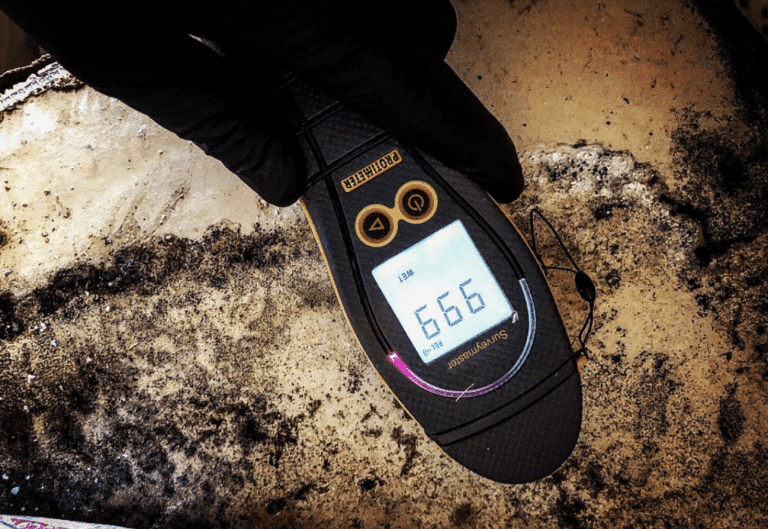
Meters check interior walls, baseboards and floors next to the patio.
Thermal Imaging
Reveals moisture patterns along the foundation wall inside.
Line Testing
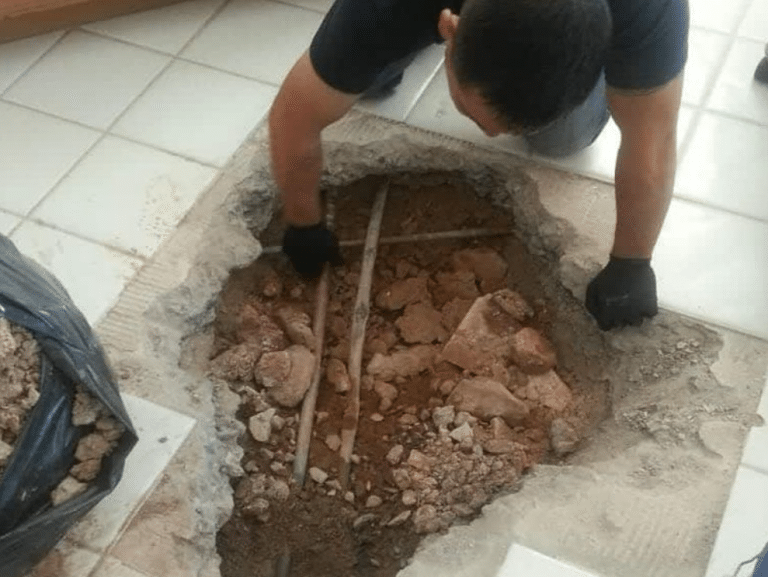
If water use is unexplained, pressure tests check buried lines under the patio.
- Outside and inside both checked
- Findings explained in plain language
- Repair cost before any repair work begins
Why It Matters
Why Patio Leaks Should Be Addressed Early
- Protect the foundation. Water directed toward the house can damage the foundation and the walls inside.
- Stop the spread. Small cracks grow as they collect debris and water, eventually damaging the whole patio.
- Prevent mold. Moisture reaching interior walls creates conditions for mold growth.
- Targeted repairs. Knowing whether the problem is drainage, cracking, slope or a buried line keeps repairs focused.
Not sure which service you need? Describe what you are seeing and we will point you in the right direction.
(619) 374-8554Or send a service requestRelated Services
Services Related to Patio Leaks
Patio leaks often connect to these services.


Explore all of our leak detection services.
Service Area
Patio Leak Detection Across San Diego County
We locate patio leaks for homes, condos and HOAs throughout San Diego County.
- Escondido
- San Carlos
- Del Cerro
- Santee
- Lakeside
- El Cajon
- Otay Ranch
- Eastlake
- Chula Vista
150 neighborhoods and communities listed
FAQs
Patio Leak FAQs
Common questions about patio leaks. More answers on our leak detection FAQs page.
Talk to a leak detection specialist now. We answer 24 hours a day.
(619) 374-8554
What are the signs of a patio leak?
Cracks, chips or flaking concrete (spalling), an uneven or sinking patio, pooling water, staining or mold, and dampness or mildew on the interior wall nearest the patio.
What causes a patio to crack?
Uneven ground beneath the concrete, sections that get much more water than others, improperly poured or finished concrete and poor drainage.
Is it normal for a patio to sink?
A little settling over time is normal. Excessive sinking suggests the soil under the concrete stays wet because the patio is not draining well.
Can a patio cause leaks in my house?
Yes. Poor drainage, cracks or a patio poured at the wrong depth relative to the house can direct water into the foundation and the interior wall next to the patio.
Could a pipe under my patio be leaking?
It can. If water use is unexplained or a wet area persists, buried supply lines under the patio can be pressure tested.
Do you offer patio leak detection throughout San Diego County?
Yes. Call (619) 374-8554, available 24/7, or see all service areas.
Think You Have a Leak?
Patio Problems? Keep Water Out of the House.
Contact us for patio leak detection. We will find where water collects and where it gets in, and explain the repair before any work begins.

Request Patio Leak Detection
Send a request and we’ll get back to you quickly. For active leaks, please call.
Emergency? Call (619) 374-8554. We’re open 24 hours.