
Rain Leak Detection
Rain Leak Detection in San Diego
A leak that only shows up when it rains is one of the hardest to pin down. 1st Response Leak Detection traces rain leaks in San Diego County homes and buildings through roofs, gutters, windows, doors and exterior walls to find exactly where storm water gets in.
- 24/7 Emergency Service
- 15+ Years Experience
- Licensed Contractor #1063131
- Serving San Diego County

Rainwater dripping through a ceiling
Service Overview
What Is Rain Leak Detection?
Quick answer
Rain leak detection is the process of finding where storm water enters a building, whether through the roof, gutters and downspouts, windows and doors, exterior walls or poor drainage around the foundation, by inspecting the building envelope and mapping moisture during and after wet weather. It is used when leaks appear only during or after rain, which rules out a constant plumbing leak.
Rain-related water damage is a significant cause of property loss every year. Beyond the obvious repair costs, rain leak damage gets worse when it is not addressed and can affect your family’s health through mold-related respiratory problems. That is why it pays to take action early with the help of a rain leak professional.
Damaged roofs are the most common source, but they are not the only one. Rainwater can enter through failed window and door seals, cracked stucco and siding, clogged gutters that overflow against walls, and yards that slope toward the house. Because San Diego’s rain often arrives in short, heavy storms after long dry periods, small weaknesses can stay hidden for months and then leak all at once.
We find where the water is getting in and how far it has spread, then explain the findings. You will know the total cost of any repair before repair work begins.

Warning Signs
Signs You Have a Rain Leak
Watch for these signs during and after rainy weather.
- Flaking or bubbling paintMoisture pushing through walls.
- Mold growthAppearing after wet weather.
- Sagging walls or ceilingsWater collecting behind drywall.
- Discolored or stained patchesOn walls and ceilings after storms.
- Damaged floorsNear windows, doors and exterior walls.
- Strong mildew smellLingering after it rains.
- Water pooling in the yardStanding water near the foundation after a storm.
- Overflowing guttersWater spilling against walls and windows.
Stains on the ceiling? Start with roof leak detection. Around windows? See window leak detection.
After a Storm
What to Do After a Rain Leak
Put safety first
If your home has suffered water damage, do not turn the power back on in affected areas and avoid touching electrical appliances until it is safe. Watch for fallen trees and weak branches, and have a professional deal with them.
Assess damage from the ground
Check your roof from the ground rather than climbing up, especially right after a storm. Look for missing pieces of roofing, damaged flashing or debris that point toward the source of the leak.
Document everything
Take photos of damaged areas inside and outside. Clear pictures help when you file an insurance claim.
Protect your belongings
Move valuables away from the leak and contain dripping water. If roof damage is significant, have a qualified professional install temporary protection until a permanent repair is made.
Manage rain leaks over time
- Clear debris, fallen branches and leaves from the roof and gutters so problem spots are visible.
- Keep gutters and downspouts flowing and directing water away from the building.
- Maintain caulking and seals around windows, doors and exterior penetrations.
- Make sure the ground slopes away from the foundation so rainwater does not collect against it.
Tell us where and when the water appears. We will explain how we would find the entry point.
(619) 374-8554Or send a service requestHow It Works
How We Track Down a Rain Leak
- 01
Learn the Pattern
We ask when the leak appears, which storms trigger it and where water shows up.
- 02
Map the Moisture
Moisture readings and thermal imaging show where water has entered and spread.
- 03
Inspect the Envelope
Roof, gutters, windows, doors, walls and drainage near the wet area are inspected.
- 04
Explain the Findings
You get the entry point and the total cost of repair before any repair work begins.
Detection Methods
Finding Storm Water Entry Points
Rain leaks rarely come from where they appear. We combine methods to follow the water back to its source.
Thermal Imaging
Reveals wet areas in walls and ceilings by their temperature pattern after rain.
Moisture Mapping
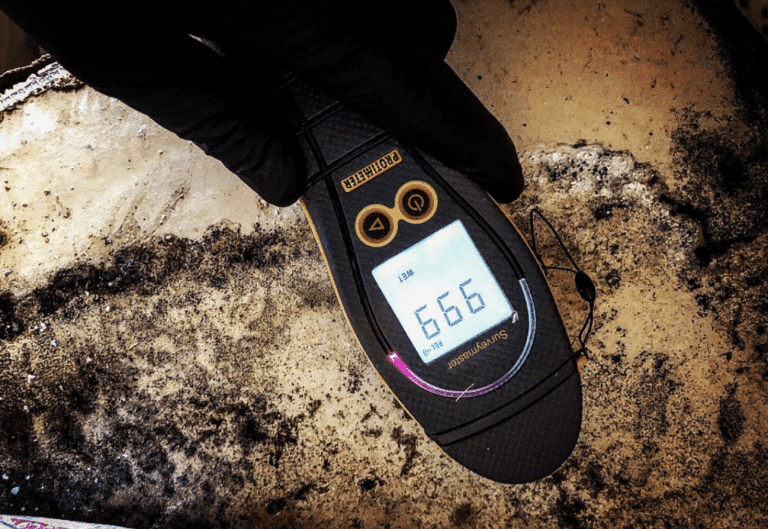
Meters trace how far water has traveled from the entry point.
Building Envelope Inspection
Roofing, flashing, window and door seals, stucco, siding and gutters are inspected.
Drainage Review
Grading, downspouts and yard drainage are checked for water directed toward the building.
- Entry point located, not guessed
- Moisture extent documented
- Repair cost before any repair work begins
Why It Matters
Why Rain Leaks Should Be Found Before the Next Storm
- Damage compounds. Each storm adds more water to framing, insulation and drywall that may never fully dry.
- Health concerns. Repeated wetting creates conditions for mold growth.
- Targeted repairs. Knowing the exact entry point avoids re-roofing or re-sealing areas that were never the problem.
- Documentation. Clear findings support insurance conversations and contractor repairs.
Not sure which service you need? Describe what you are seeing and we will point you in the right direction.
(619) 374-8554Or send a service requestRelated Services
Services Related to Rain Leaks
Rain leaks often lead to these more specific services.



Explore all of our leak detection services.
Service Area
Rain Leak Detection Across San Diego County
We trace rain leaks for homes, condos, HOAs and commercial buildings throughout San Diego County, from coastal neighborhoods to inland communities.
- Ocean Beach
- Mission Beach
- Pacific Beach
- Solana Beach
- Encinitas
- Cardiff
- Vista
- Escondido
- Alpine
150 neighborhoods and communities listed
FAQs
Rain Leak FAQs
Common questions about rain leaks. More answers on our leak detection FAQs page.
Talk to a leak detection specialist now. We answer 24 hours a day.
(619) 374-8554
Why does my home only leak when it rains?
A leak that appears only in wet weather points to water entering from outside, such as through the roof, gutters, windows, doors, exterior walls or poor drainage, rather than a plumbing leak, which would leak all the time.
Is a rain leak always a roof leak?
No. Roofs are the most common source, but failed window and door seals, cracked stucco or siding, overflowing gutters and grading that slopes toward the house are frequent causes too.
What should I do right after a rain leak?
Stay safe around electricity, move valuables away from the water, contain drips, take photos for your insurance company and assess the roof from the ground rather than climbing up.
Can you find a rain leak when it is not raining?
Often, yes. Moisture readings and thermal imaging can reveal where water has entered and spread, and inspection of the building envelope identifies likely entry points.
Can rain leaks cause mold?
Yes. Repeated wetting of framing, insulation and drywall creates conditions for mold growth, which is why rain leaks should be found before the next storm.
Do you offer rain leak detection throughout San Diego County?
Yes. Call (619) 374-8554, available 24/7, or see all service areas.
Think You Have a Leak?
Leaking When It Rains? Find the Entry Point.
Contact us for rain leak detection. We will find where storm water gets in and explain the repair before any work begins.

Request Rain Leak Detection
Send a request and we’ll get back to you quickly. For active leaks, please call.
Emergency? Call (619) 374-8554. We’re open 24 hours.