
Infrared Leak Detection
Infrared Leak Detection in San Diego
Find leaks without destroying your property. 1st Response Leak Detection performs infrared leak inspections for San Diego County homes and commercial buildings, locating wet areas non-destructively, documenting what we find and checking whether past water damage has truly dried out.
- 24/7 Emergency Service
- 15+ Years Experience
- Licensed Contractor #1063131
- Serving San Diego County
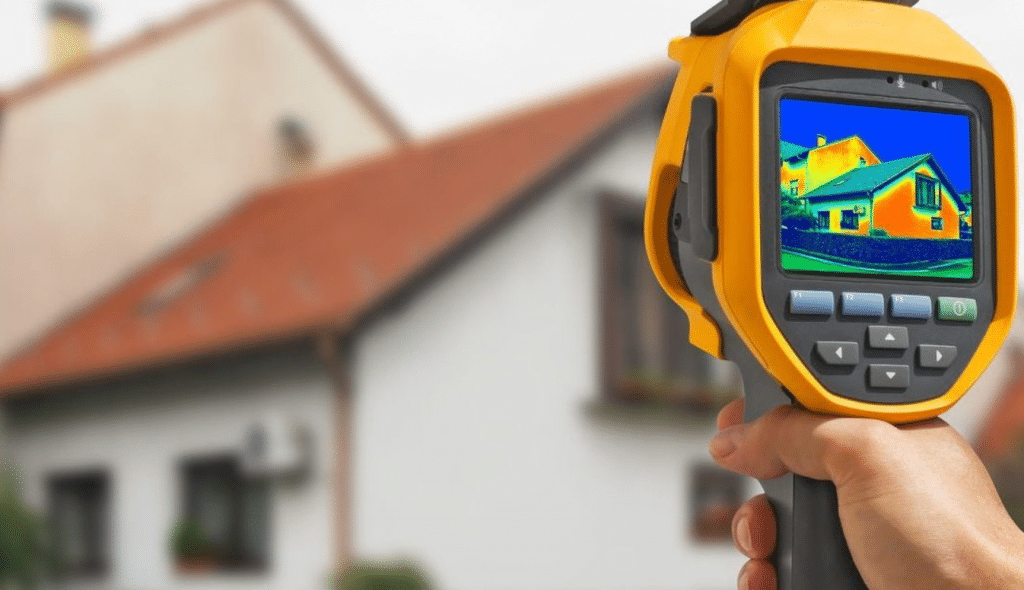
Infrared scan of a home exterior
Service Overview
What Is Infrared Leak Detection?
Quick answer
Infrared leak detection is a non-destructive inspection that uses infrared thermal cameras to locate wet areas inside walls, ceilings, floors and building exteriors by the thermal signature water leaves behind. It identifies where water is entering or leaking without cutting into finished surfaces, and the infrared images can be used to show a contractor or insurance adjuster exactly where the problem is.
Water intrusion into commercial and residential buildings can come from many sources: damaged roofing, poor workmanship, siding and window problems, caulking breakdowns, inferior materials and plumbing leaks. All of these can be creeping, unseen, behind the walls and structure of your home or business. Once you can see the water damage, it may already be extensive.
With infrared inspection, specialists from 1st Response Leak Detection follow the thermal signature water leaves on interior surfaces and building exteriors. There is no need to cut into your walls or ceiling, pull up tile or tear up a hardwood floor. Infrared quickly, precisely and non-destructively identifies wet problem areas, saving the time and cost of conventional exploratory inspection.
Infrared findings point your repair in the right direction, and you will know the total cost of any repair before repair work begins.

When to Schedule
Reasons to Schedule an Infrared Leak Inspection
An infrared inspection is the right choice when you need to locate hidden water, or prove where it is, before anyone starts opening walls.
- Recurring stains or damp spotsWater returns but the source is unclear.
- Leaks around windows or sidingExterior water intrusion into walls.
- After a flood or pipe burstCheck whether materials have dried out.
- Before closing up a repairConfirm no wet areas remain hidden.
- Insurance or contractor documentationImages that show where the problem is.
- Musty odor or suspected moldLocate the moisture feeding it.
- Commercial and multi-unit buildingsScan large areas non-destructively.
- Buying or maintaining a propertyFind hidden moisture problems early.
Curious how the camera works? Read about thermal imaging leak detection.
Inspect Previous Repairs
Checking Dry-Out After Water Damage
One of the most valuable uses of infrared inspection is confirming that an area has dried out completely after a flood, burst pipe or other water damage. Materials can feel dry on the surface while moisture remains trapped inside walls, under flooring or in insulation.
Why it matters
Closing up walls or reinstalling flooring over wet materials can lead to mold, odors and a second round of repairs. An infrared scan, confirmed with moisture readings, shows whether the problem has been resolved so you can move forward with confidence.
If the problem persists
If moisture is still present, the infrared findings give you the information you need to explain the problem accurately to your contractor or insurance company. Clear images of where water remains make conversations with a claims adjuster more productive.
Documented findings
Infrared images captured during the inspection can be provided in a visual report that pinpoints the affected areas, so your contractor can see exactly where the problem is and what it looks like, avoiding wasted time, materials and unnecessary repairs. Ask us about report options when you schedule.
Tell us about the leak or water damage and what you need documented. We will explain how the inspection works.
(619) 374-8554Or send a service requestHow It Works
How an Infrared Leak Inspection Works
- 01
Discuss the Concern
We learn what happened, where you see symptoms and whether you need documentation.
- 02
Infrared Scan
Interior and exterior surfaces are scanned to map wet areas and likely entry points.
- 03
Verify Moisture
Moisture meters confirm what the infrared images show before conclusions are drawn.
- 04
Findings & Next Step
You get clear findings, images where requested and the repair cost before work begins.
What We Look For
What an Infrared Inspection Can Reveal
Infrared shows temperature differences on surfaces. Interpreted by a trained technician and confirmed with testing, those patterns reveal where water is.
Building Envelope Leaks
Water entering through roofing, siding, windows, doors and failed caulking shows as cool, irregular patterns on walls.
Plumbing Leaks
Leaking supply and drain lines inside walls and ceilings, including warm patterns from hot water lines.
Trapped Moisture
Wet insulation, drywall and subfloors that remain after water damage or slow leaks.
- No cutting into walls or ceilings
- Infrared findings verified with moisture meters
- Repair cost before any repair work begins
Why It Matters
Why Infrared Inspection Saves Time and Money
- Find leaks without damage. Wet areas are located without cutting into walls, pulling tile or lifting hardwood floors.
- Avoid unnecessary repairs. Knowing exactly where water is means repairs are targeted rather than exploratory.
- Clear documentation. Infrared images help contractors and insurance adjusters understand the problem.
- Confidence after repairs. A follow-up scan shows whether an area has dried out or whether a problem persists.
Regular checks for hidden leaks
There may be hidden leaks in your home that you are not aware of and that are quietly causing damage. If you have had previous leaks, live in an older home or manage a large property, a periodic infrared check can catch problems before they become expensive.
Not sure which service you need? Describe what you are seeing and we will point you in the right direction.
(619) 374-8554Or send a service requestRelated Services
Services Related to Infrared Leak Detection
Infrared findings often lead to one of these next steps.
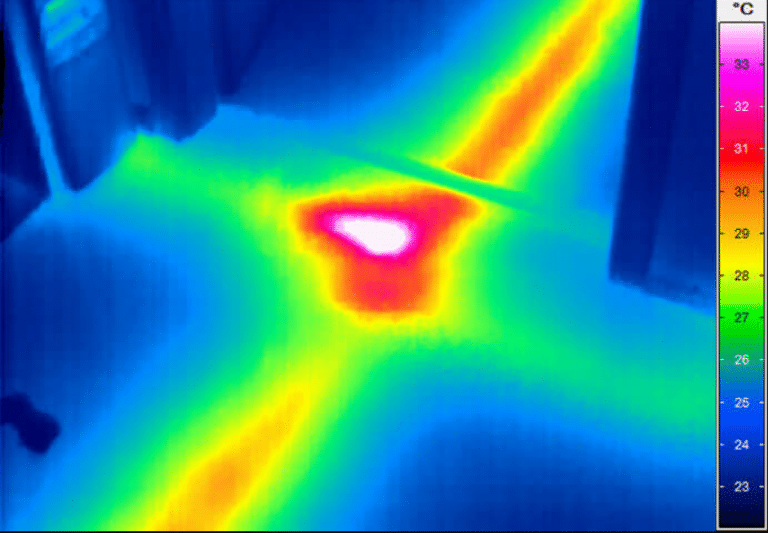
How thermal cameras reveal the temperature pattern of hidden water.

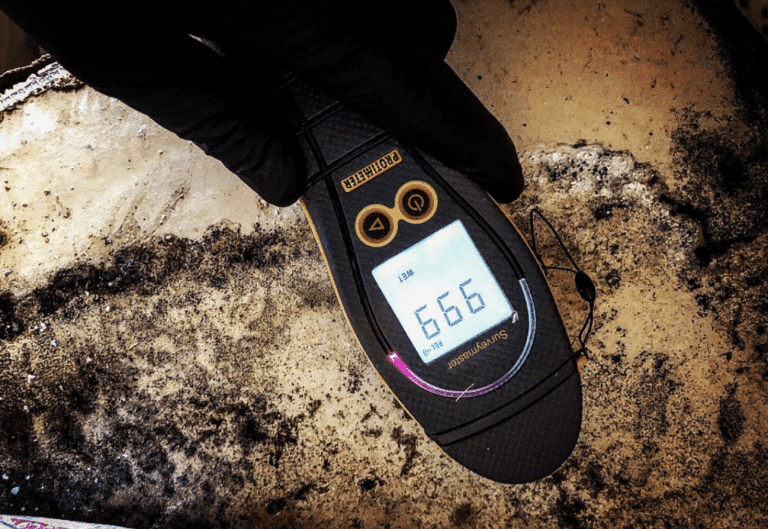
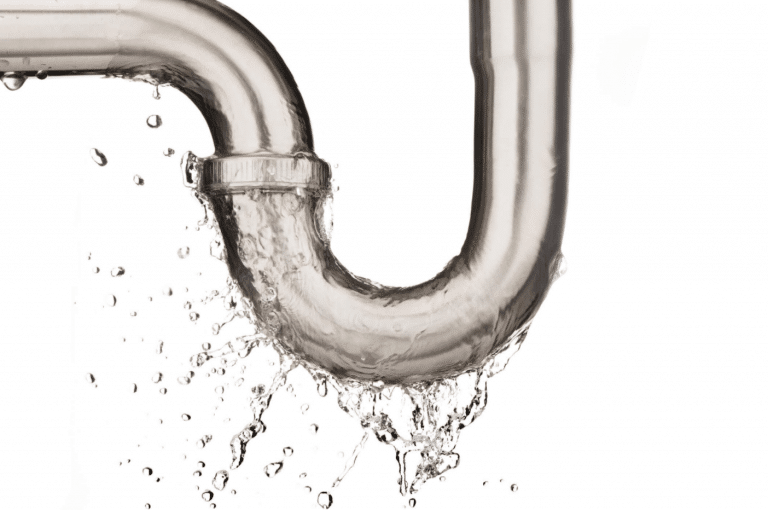
Explore all of our leak detection services.
Service Area
Infrared Leak Detection Throughout San Diego County
Infrared leak inspections for homes, condos, HOAs and commercial buildings across San Diego County. Locally owned and operated, available 24/7.
- Downtown San Diego
- Rancho Santa Fe
- Carlsbad
- Oceanside
- Vista
- Escondido
- Poway
- Santee
- Chula Vista
150 neighborhoods and communities listed
FAQs
Infrared Leak Detection FAQs
Questions about infrared leak inspections. More answers on our leak detection FAQs page.
Talk to a leak detection specialist now. We answer 24 hours a day.
(619) 374-8554
What is infrared leak detection?
It is a non-destructive inspection that uses infrared thermal cameras to find wet areas inside walls, ceilings, floors and exteriors by the temperature signature water leaves, then confirms them with moisture readings.
Can infrared find leaks without opening walls?
Yes. That is the main advantage. There is no need to cut into walls or ceilings, pull up tiles or tear up hardwood floors to locate the wet area.
Can infrared tell me if my home has dried out after water damage?
Yes. An infrared scan, confirmed with moisture meters, shows whether materials have dried out completely after a flood or leak, or whether moisture remains trapped.
Can I share the infrared findings with my insurance company?
Infrared images of the affected areas can be provided so you can show your contractor or insurance adjuster where the problem is. Ask about report options when you schedule.
Does infrared detect water coming in from outside?
Yes. Infrared is well suited to tracing water intrusion from roofing, siding, windows and failed caulking, which shows as cool, irregular patterns on interior walls.
How is infrared different from thermal imaging?
It is the same camera technology. Our thermal imaging page explains how the technology reads moisture; this page covers infrared inspections and documentation.
Do you offer infrared leak detection throughout San Diego County?
Yes. Call (619) 374-8554, available 24/7, or see all service areas.
Think You Have a Leak?
Find the Water Without the Demolition.
Schedule an infrared leak inspection and find out where water is hiding, or confirm that past damage has truly dried out.

Request an Infrared Inspection
Send a request and we’ll get back to you quickly. For active leaks, please call.
Emergency? Call (619) 374-8554. We’re open 24 hours.