
Sink and Shower Leak Detection
Sink & Shower Leak Detection in San Diego
A stain on the ceiling below the bathroom, loose tile or a musty smell around the tub? 1st Response Leak Detection finds leaks in shower pans, valves, drains and sink plumbing in San Diego County homes and buildings, before they rot floors and spread mold.
- 24/7 Emergency Service
- 15+ Years Experience
- Licensed Contractor #1063131
- Serving San Diego County
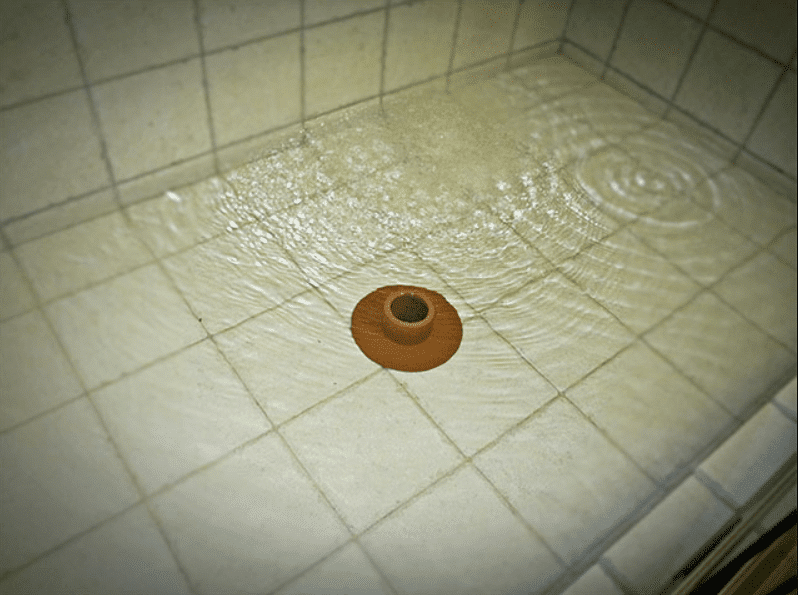
Shower pan and drain
Service Overview
What Is Sink and Shower Leak Detection?
Quick answer
Sink and shower leak detection is the process of locating leaks in bathroom and sink plumbing, including drain pipes, P-traps, supply lines and shut-off valves under sinks, and shower valves, supply pipes, drains and shower pans inside walls and floors, so the specific failed part can be repaired without tearing out the whole shower.
It is difficult for property owners to find a problem with their drains and supply lines, and even harder to fix it alone. Bathroom plumbing is hidden behind tile, inside walls and under floors, so a small leak can run for a long time before it shows as a stain on the ceiling below or a soft spot in the floor.
Modern plumbing relies on many individual parts. Those parts wear out over time, and a failed part can cause blockages and leaks. Knowing which part is leaking is the key to a targeted repair.
Homeowners dealing with water damage from a sink or shower are often not sure who to call. For leak detection, 1st Response Leak Detection locates the source, explains what failed and tells you the total cost of repair before any repair work begins.

Warning Signs
How to Know If Your Sink or Shower Is Leaking
If you suspect a leak, check for these signs around the bathroom and in the rooms below it.
- Mold or mildew around the tubEspecially along the outside edges.
- Damaged flooringCracking, staining or soft spots.
- Damaged wallsWarping, staining or bubbling paint.
- Ceiling stains belowWater from an upstairs bathroom.
- Musty smellsMoisture trapped in walls or floors.
- Loose tile or failing groutWater getting behind the surface.
- Water under the vanityDrain, trap or supply line leaks.
- Higher water billA valve or supply leak that runs constantly.
Leaks under the kitchen sink? See kitchen leak detection.
Know the Parts
Sink and Shower Plumbing Parts That Can Leak
Knowing the individual parts helps explain where leaks come from and why a targeted repair is possible.
Five key sink parts
- Drain pipe: carries wastewater away; joints and slip nuts loosen over time.
- Shut-off valves: control water to the faucet; worn valves can drip or seep.
- P-trap: the curved pipe under the sink that holds water to block sewer gas; a common leak point.
- Water supply lines: flexible lines from the valves to the faucet that can crack or loosen.
- Pop-up drain: the drain stopper assembly, whose seals can leak into the cabinet.
Six common shower parts
- Shower head: connections and the arm inside the wall.
- Hot and cold water pipes: supply lines inside the wall.
- Shower valve: the mixing valve behind the handle, a frequent source of hidden leaks.
- Shower enclosure: tile, grout, caulk and door seals that keep water in the shower.
- Shower drain: the drain body and its connection to the pan.
- Shower pan: the waterproof layer under the shower floor; when it fails, water leaks into the floor and ceiling below.
Tell us where the water shows up. We will explain how we would find which part is leaking.
(619) 374-8554Or send a service requestHow It Works
How We Find a Sink or Shower Leak
- 01
Inspect Visible Parts
Drains, traps, supply lines, valves, tile, grout and caulk are inspected.
- 02
Water Test Components
Running the shower and fill-testing the pan or drain separately shows which part leaks.
- 03
Check Walls & Floors
Moisture readings and thermal imaging map wet areas behind tile and below the floor.
- 04
Explain the Repair
You get clear findings and the total cost of repair before any repair work begins.
Detection Methods
Finding Leaks Behind Tile Without Tearing It Out
Testing components one at a time tells us whether the problem is the valve, the drain, the pan or the enclosure.
Component Water Testing
Isolating the drain, pan, valve and enclosure with targeted water tests shows which one is leaking.
Moisture Readings
Meters check walls, floors and ceilings around and below the bathroom.
Thermal Imaging
Reveals moisture patterns behind tile and in the ceiling below.
Pressure Testing
Confirms whether supply pipes inside the wall are leaking.
- No tearing out a shower just to search
- The failed part identified
- Repair cost before any repair work begins
Why It Matters
Why Bathroom Leaks Should Be Located Professionally
- Targeted repairs. Knowing whether the valve, drain, pan or enclosure is leaking avoids replacing parts that are fine.
- Protect floors and ceilings. Shower and tub leaks soak subfloors and the ceilings below, leading to rot and stains.
- Prevent mold. Bathrooms are already humid; hidden leaks add the moisture mold needs.
- Multi-unit buildings. In condos, apartments and hotels, a leak in one unit can damage the unit below. Early detection limits the spread.
Water coming through the ceiling? Stop using the fixture above, turn off its water if possible and call (619) 374-8554. We are available 24/7.
Not sure which service you need? Describe what you are seeing and we will point you in the right direction.
(619) 374-8554Or send a service requestRelated Services
Services Related to Sink and Shower Leaks
Bathroom leaks often connect to these services.


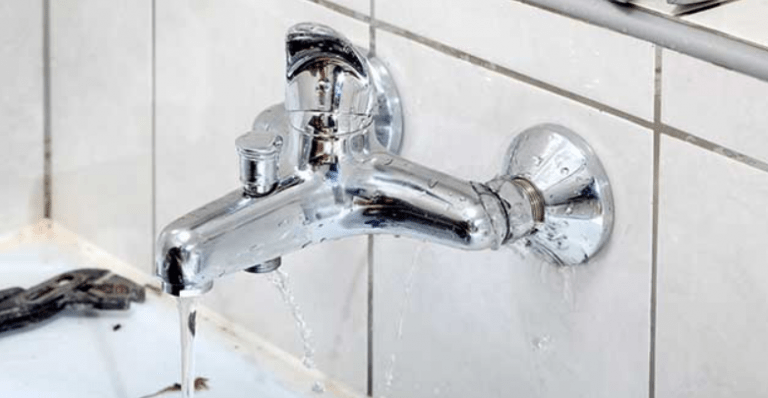
Explore all of our leak detection services.
Service Area
Sink and Shower Leak Detection Across San Diego County
We locate bathroom leaks for homes, condos, apartments and commercial buildings throughout San Diego County.
- Mission Valley
- Mission Hills
- Little Italy
- UTC
- Carmel Valley
- Encinitas
- Oceanside
- Santee
- Eastlake
150 neighborhoods and communities listed
FAQs
Sink and Shower Leak FAQs
Common questions about bathroom leaks. More answers on our leak detection FAQs page.
Talk to a leak detection specialist now. We answer 24 hours a day.
(619) 374-8554
How do I know if my shower is leaking into the wall or floor?
Common signs are stains on the ceiling below, loose tiles or failing grout, damaged or soft flooring near the shower, warped or stained walls, mold along the tub and musty smells.
What is a shower pan leak?
The shower pan is the waterproof layer beneath the shower floor. When it fails, water passes through into the subfloor and the ceiling below, often without any visible leak in the shower itself.
Can you find a shower leak without removing tile?
Yes. Component water tests, moisture readings and thermal imaging identify whether the valve, drain, pan or enclosure is leaking without tearing out tile to search.
What are the most common sink leak points?
The P-trap, drain pipe connections, supply lines, shut-off valves and the pop-up drain assembly.
Why is there a stain on the ceiling under my bathroom?
It is usually water from a leaking shower pan, drain, valve, supply pipe or failed caulk and grout in the bathroom above. Locating which one it is allows a targeted repair.
Do you handle leaks in condos and apartments?
Yes. We locate leaks in multi-unit buildings, where a bathroom leak in one unit often appears in the unit below.
Do you offer sink and shower leak detection throughout San Diego County?
Yes. Call (619) 374-8554, available 24/7, or see all service areas.
Think You Have a Leak?
Bathroom Leak? Find the Failed Part.
Contact us for sink and shower leak detection. We will locate the leak and explain the repair before any work begins.

Request Sink & Shower Leak Detection
Send a request and we’ll get back to you quickly. For active leaks, please call.
Emergency? Call (619) 374-8554. We’re open 24 hours.