
Crawl Space Leak Detection
Crawl Space Leak Detection in San Diego
A musty smell rising through the floor, standing water under the house or floors that have started to buckle? 1st Response Leak Detection finds leaking pipes and water entry points in crawl spaces beneath San Diego County homes and buildings.
- 24/7 Emergency Service
- 15+ Years Experience
- Licensed Contractor #1063131
- Serving San Diego County
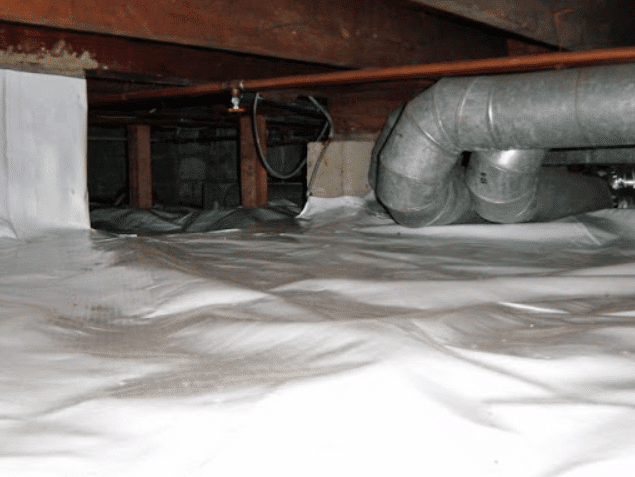
Crawl space beneath a raised floor
Service Overview
What Is Crawl Space Leak Detection?
Quick answer
Crawl space leak detection is the process of finding where water is entering or leaking into the shallow, open area between a raised floor and the ground, whether from supply or drain pipes running through the crawl space, a sewer line, or rainwater draining toward the foundation, so the source can be stopped before moisture damages framing and floors or feeds mold.
A crawl space is a shallow, open area between the floor of a home and the ground. It provides access to plumbing, electrical and other utilities and helps air circulate beneath the house. Because crawl spaces are usually not sealed, they are vulnerable to leaks, and water that collects there has nowhere to go.
When water gets into a crawl space and stays, moisture builds up, wood framing and subfloors can weaken, and mold and mildew can grow out of sight. The problems often go unnoticed until odors or floor damage appear inside the home.
We locate the source, whether a leaking pipe, a sewer problem or exterior drainage, and explain what we find. You will know the total cost of any repair before repair work begins.

Warning Signs
Signs Your Crawl Space Is Leaking
Crawl space problems usually show up inside the home first. Watch for these signs.
- A musty odorOften the first sign, rising through floors.
- Stains on crawl space wallsMarks showing water is getting in.
- Warping or buckling floorsMoisture affecting the subfloor.
- Mold and mildewGrowing where moisture cannot dry out.
- Standing water under the houseWater with nowhere to go.
- Higher humidity indoorsMoisture moving up from below.
- Unexplained water bill increaseA supply line leaking under the floor.
- Wet or corroded pipesVisible drips or rust on exposed lines.
Not sure whether moisture is spreading? See moisture detection.
Causes
What Causes Leaks in a Crawl Space?
Crawl space water usually comes from one of three places.
Leaking pipes
Supply and drain pipes run through most crawl spaces. Leaks in the crawl space itself, or in pipes nearby, drip or spray water directly onto the ground and framing.
Sewer problems
Sewer lines can be overwhelmed by heavy rain or blocked by tree roots and debris, causing backups and leaks beneath the home. See sewer camera inspection.
Improper grading and drainage
If the ground around the home is not sloped correctly, rainwater runs toward the foundation and into the crawl space instead of away from it.
What to do if you find water
Standing water should be removed as soon as possible to limit damage and health hazards. Before anyone works in a wet crawl space, consider safety: water and electrical wiring do not mix, and water from a sewer problem can carry bacteria. Once the source is located, the leak can be repaired and the area dried.
Check your coverage. Many homeowners policies treat flooding and mold differently from sudden plumbing leaks. Talk to your insurance company about what is covered.
Tell us what you are noticing. We will explain how we would find where the water is coming from.
(619) 374-8554Or send a service requestHow It Works
How We Locate a Crawl Space Leak
- 01
Inspect the Space
We inspect pipes, framing, the ground and foundation walls for active leaks and water marks.
- 02
Test the Plumbing
Pressure testing and fixture checks confirm whether supply or drain lines are leaking.
- 03
Check Sewer & Drainage
Camera inspection and exterior checks rule sewer lines and grading in or out.
- 04
Explain the Fix
You get clear findings and the total cost of repair before any repair work begins.
Detection Methods
Finding the Source Under the Floor
Crawl spaces are tight and dark. These methods let us confirm the source without guesswork.
Visual Inspection
Exposed pipes, joints, framing and foundation walls are checked for drips, stains and corrosion.
Pressure Testing
Confirms whether supply lines under the floor are losing water.
Moisture Readings
Measures moisture in subfloors, joists and the soil to map affected areas.
Sewer Camera
Shows whether a sewer or drain line beneath the home is cracked, blocked or leaking.
- Plumbing, sewer and drainage all checked
- Findings explained in plain language
- Repair cost before any repair work begins
Why It Matters
Why Crawl Space Leaks Need Professional Attention
- Structural protection. Persistent moisture weakens joists, subfloors and sill plates.
- Mold prevention. Damp crawl spaces without ventilation to dry out are ideal for mold and mildew.
- Air quality. Odors and moisture from a crawl space can move up into living areas.
- Stop the waste. Supply line leaks under the floor can run continuously and raise your water bill.
Professional detection costs far less than repairing rotted framing and floors, and it helps prevent future problems like mold.
Not sure which service you need? Describe what you are seeing and we will point you in the right direction.
(619) 374-8554Or send a service requestRelated Services
Services Related to Crawl Space Leaks
Crawl space leaks often connect to these services.


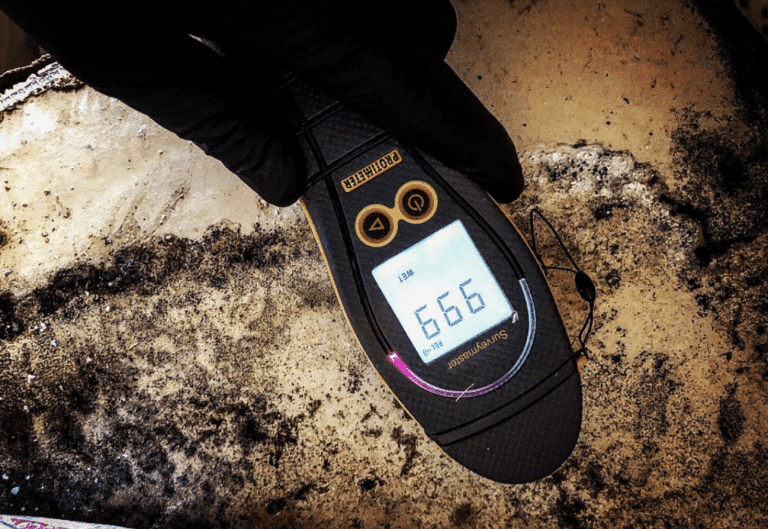
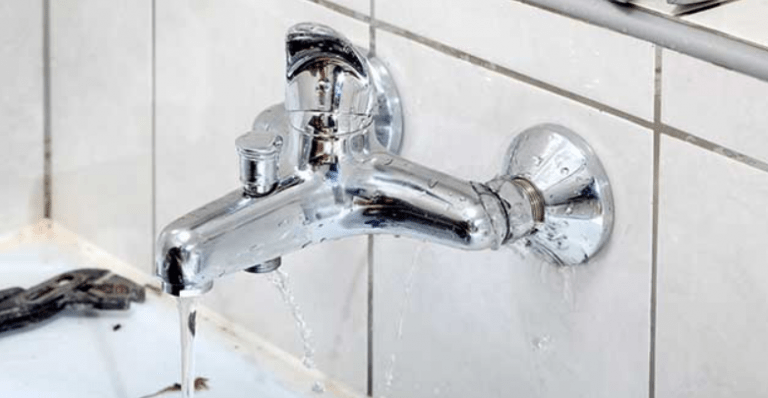
Explore all of our leak detection services.
Service Area
Crawl Space Leak Detection Across San Diego County
We locate crawl space leaks beneath homes and buildings throughout San Diego County.
- Kensington
- Normal Heights
- North Park
- Golden Hill
- Ocean Beach
- Point Loma
- La Mesa
- Spring Valley
- Escondido
150 neighborhoods and communities listed
FAQs
Crawl Space Leak FAQs
Common questions about crawl space leaks. More answers on our leak detection FAQs page.
Talk to a leak detection specialist now. We answer 24 hours a day.
(619) 374-8554
What are the signs my crawl space is leaking?
A musty odor is usually the first sign. Others include stains on crawl space walls, warping or buckling floors, mold and mildew, standing water, higher indoor humidity and an unexplained rise in your water bill.
What causes water in a crawl space?
The most common causes are leaking supply or drain pipes, sewer lines overwhelmed by heavy rain or blocked by roots and debris, and improper grading that directs rainwater toward the foundation.
Can I check my crawl space for leaks myself?
You can look for standing water, wet pipes and odors from a safe access point. Because of electrical hazards and possible sewage contamination, locating the exact source is best left to a professional.
What should I do if there is standing water under my house?
Have it removed as soon as possible and get the source located. If the water may be from a sewer line, avoid contact with it.
Can a crawl space leak cause mold?
Yes. Crawl spaces exposed to high moisture without ventilation to dry out are prone to mold and mildew growth.
Does insurance cover crawl space water damage?
It depends on the cause and your policy. Sudden plumbing leaks are treated differently from flooding and mold. Check with your insurance company.
Do you offer crawl space leak detection throughout San Diego County?
Yes. Call (619) 374-8554, available 24/7, or see all service areas.
Think You Have a Leak?
Water Under the House? Find the Source.
Contact us for crawl space leak detection. We will locate the leak and explain the repair before any work begins.

Request Crawl Space Leak Detection
Send a request and we’ll get back to you quickly. For active leaks, please call.
Emergency? Call (619) 374-8554. We’re open 24 hours.