
Deck Leak Detection
Deck Leak Detection in San Diego
Soft boards, a sagging middle or water stains on the ceiling under your deck? 1st Response Leak Detection finds deck leaks at San Diego County homes and buildings, from failed waterproofing on decks over living space to water damage in wood decks and their supports.
- 24/7 Emergency Service
- 15+ Years Experience
- Licensed Contractor #1063131
- Serving San Diego County
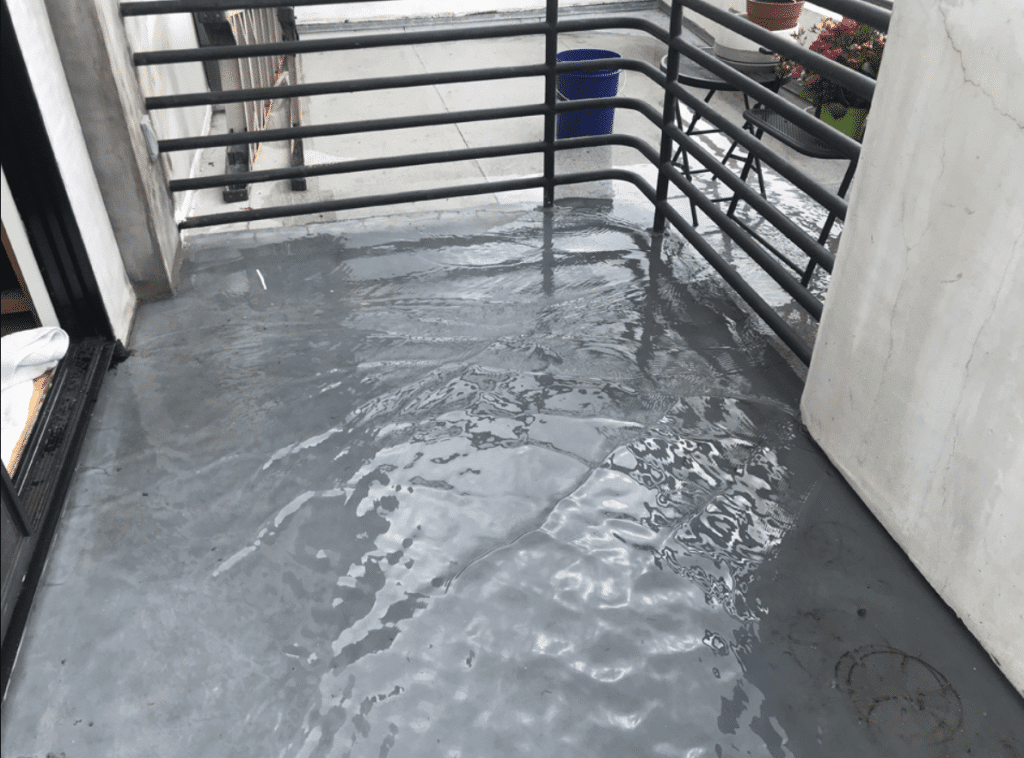
Standing water on a deck surface
Service Overview
What Is Deck Leak Detection?
Quick answer
Deck leak detection is the process of finding where water is getting through or into a deck, such as failed waterproofing or sealant, poor drainage, connections to the house or damaged boards and posts, and tracing it into the structure or rooms below, so the leak can be repaired before it causes rot or makes the deck unsafe.
Outdoor decks are great places to relax on the weekend or host get-togethers. Unlike yards, they need regular upkeep to stay in good shape. When decks are not correctly built, sealed or waterproofed, leaks can lead to structural damage and can even make a deck dangerous.
Decks built over living space or attached to the house are especially sensitive: water that gets past the surface can run into walls, ceilings and the framing that holds the deck up. Even freestanding wood decks suffer when water stays trapped in boards, joists and posts.
1st Response Leak Detection specializes in residential leaks. We locate where water is getting in, explain what we find and tell you the total cost of any repair before repair work begins.

Warning Signs
How to Tell If Your Deck Is Leaking
Water damage in a deck shows up in the boards, the supports and the spaces below.
- Swollen, stained or soft boardsWood that gives when pressed by hand or foot.
- A sagging middleA sign water has damaged the structure.
- Decaying postsEspecially near the bottom of the supports.
- Stains below the deckOn ceilings or walls underneath.
- Twisted board endsBoards warping as they absorb water.
- Nail popsNails working loose as wood expands and contracts.
- Mold or mildewOn the surface or in spaces below.
- Water pooling on the surfacePoor slope or blocked drainage.
Termites can make water damage worse by weakening the wood and letting water in through their tunnels. The earlier they are found and eliminated, the sooner repairs can save the deck.
Deck Inspection
Checking Your Deck for Leaks and Water Damage
Besides the warning signs above, there are a few more areas you can check yourself.
- Board ends. Check whether the ends of the boards have twisted or cupped.
- Nail pops. Temperature changes make wood expand and contract, which works nails loose over time.
- The screwdriver test. Press a screwdriver into suspect wood. If it sinks in easily or the wood crumbles or flakes away, it is decaying and should be replaced.
- Posts. Supports can rot, especially near the bottom, if they are not set in concrete. Even when they are, tall grass and splashing during rain can take a toll.
Other sources of deck moisture
Sometimes deck leaks are not caused only by the weather but by neighboring sources. Sprinkler systems, gutters that discharge onto the deck and heavy flower pots that trap water beneath them all contribute to long-term moisture. See irrigation system leak detection if sprinklers are involved.
Decks over living space
When a deck sits above a room, garage or another unit, its waterproofing protects the space below. Failures at drains, edges, posts and the connection to the house let water into ceilings and walls, often appearing as stains well away from the actual failure.
Tell us what you are seeing above and below the deck. We will explain how we would find the leak.
(619) 374-8554Or send a service requestHow It Works
How We Find a Deck Leak
- 01
Inspect the Deck
Surface, drains, edges, posts and the connection to the house are inspected.
- 02
Check Below
Ceilings, walls and framing under the deck are checked for moisture and damage.
- 03
Test & Map
Moisture readings, thermal imaging and controlled water testing confirm where water gets through.
- 04
Explain the Repair
You get clear findings and the total cost of repair before any repair work begins.
Detection Methods
Finding Deck Leaks Without Tearing Up the Deck
We confirm the source before anything is removed, so repairs are limited to what failed.
Controlled Water Testing
Specific areas are wetted one at a time to see which one leaks below.
Moisture Readings
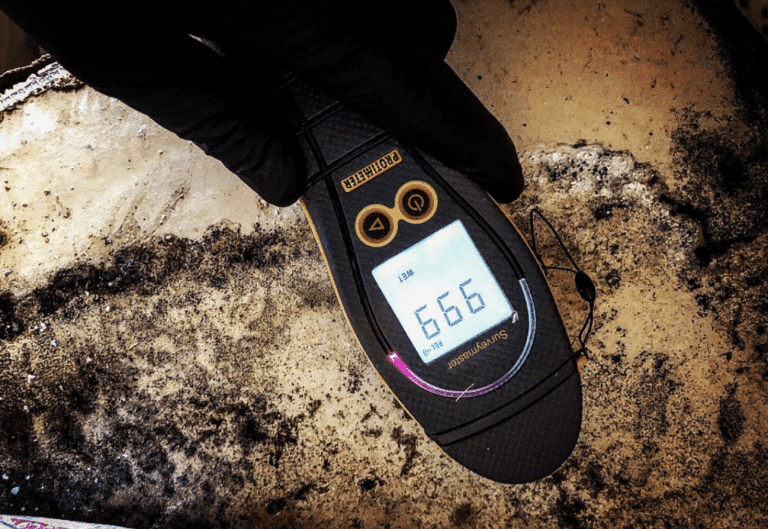
Meters check boards, joists, posts and the ceiling below for trapped moisture.
Thermal Imaging
Reveals wet areas in ceilings and walls under the deck.
- Leak source confirmed first
- Findings explained in plain language
- Repair cost before any repair work begins
Why It Matters
Why Deck Leaks Need Professional Attention
- Safety. Water damage can weaken boards, joists and posts until a deck is no longer safe to use.
- Hidden damage. Leaks into the structure below often go unnoticed until stains or rot appear.
- Targeted repairs. Knowing exactly where water gets in avoids replacing sections that are still sound.
- Longer deck life. Stopping moisture early is far cheaper than rebuilding a deck.
Not sure which service you need? Describe what you are seeing and we will point you in the right direction.
(619) 374-8554Or send a service requestRelated Services
Services Related to Deck Leaks
Deck leaks often connect to these services.


Explore all of our leak detection services.
Service Area
Deck Leak Detection Across San Diego County
We locate deck leaks for homes, condos and HOAs throughout San Diego County.
- Point Loma
- Sunset Cliffs
- La Jolla
- Solana Beach
- Rancho Santa Fe
- Poway
- Ramona
- Alpine
- Bonita
150 neighborhoods and communities listed
FAQs
Deck Leak FAQs
Common questions about deck leaks. More answers on our leak detection FAQs page.
Talk to a leak detection specialist now. We answer 24 hours a day.
(619) 374-8554
How can I tell if my deck is leaking?
Look for swollen, stained or soft boards, a sagging middle, decaying posts, twisted board ends, nail pops, mold, water pooling on the surface and stains on ceilings or walls below the deck.
How do I check deck wood for rot?
Press a screwdriver into the wood. If it sinks in easily or the wood crumbles or flakes away, it is decaying and should be replaced.
What else can cause deck moisture problems?
Sprinklers, gutters that discharge onto the deck and heavy flower pots that trap water all contribute to long-term moisture, along with termites that weaken the wood.
My deck is over a room. Why is the ceiling below stained?
Water is getting past the deck’s waterproofing, often at drains, edges, posts or the connection to the house, and running into the ceiling below.
Is a leaking deck dangerous?
It can be. Water damage weakens boards, joists and posts over time. If a deck sags or feels soft, have it inspected before using it.
Do you offer deck leak detection throughout San Diego County?
Yes. Call (619) 374-8554, available 24/7, or see all service areas.
Think You Have a Leak?
Deck Leaking? Find It Before It Rots.
Contact us for deck leak detection. We will find where water is getting in and explain the repair before any work begins.

Request Deck Leak Detection
Send a request and we’ll get back to you quickly. For active leaks, please call.
Emergency? Call (619) 374-8554. We’re open 24 hours.