
Plumbing Repipe
Plumbing Repipe in San Diego
When aging, corroded or leak-prone water lines keep failing, repairing one leak at a time stops making sense. 1st Response Leak Detection provides copper and PEX repiping for homes, apartments, HOA communities and commercial buildings across San Diego County.
- 15+ Years Serving San Diego
- Licensed Contractor #1063131
- Copper & PEX Repiping
- Homes, Apartments & Businesses
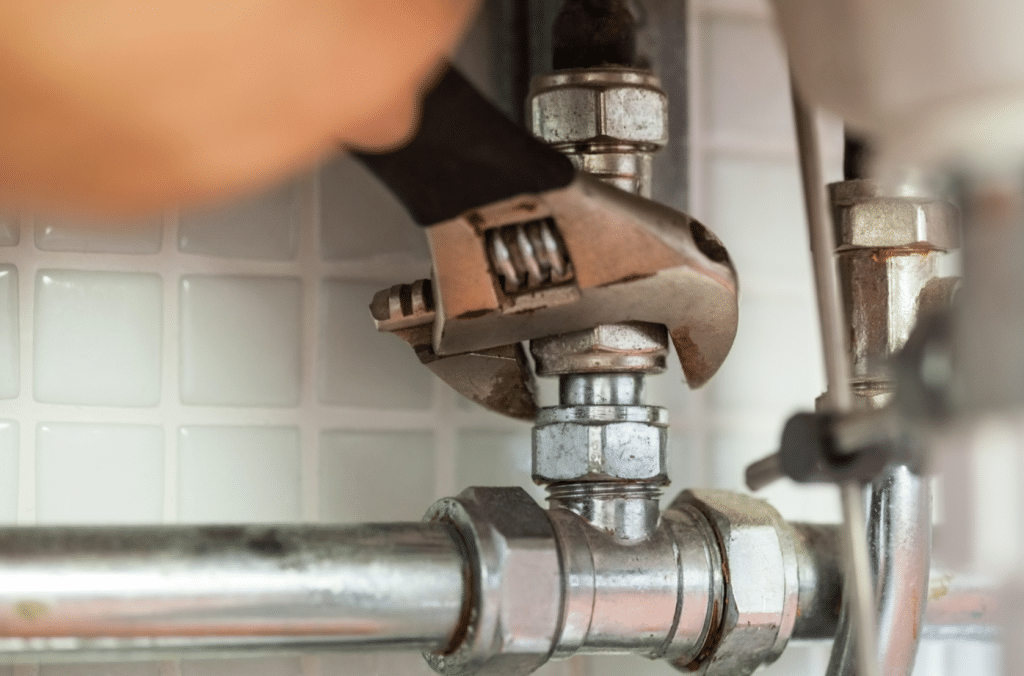
Replacing aging water supply piping
What Repiping Means
What Is a Plumbing Repipe?
Quick answer
A plumbing repipe is the replacement of a building’s existing hot and cold water supply pipes with new piping, typically copper or PEX, along with the connections to its fixtures. It is considered when pipes are corroded, scaled, made of a failure-prone material or leaking repeatedly, because repairing individual leaks no longer solves the underlying problem.
At 1st Response Leak Detection, we specialize in copper and PEX repiping of homes, offices, apartments, mid-rise buildings and senior housing developments, and we take pride in installing high-quality fittings. A whole-building repipe is a big step, and nobody wants to get it wrong. You are investing in repiping to avoid plumbing problems like recurring leaks and pipe damage, so it pays to have specialists do the job.
Older galvanized steel and iron supply lines build up scale and corrosion on the inside. There is no practical way to remove that buildup or reverse the scaling process, so owners with scaled or corroded metal pipes eventually face replacing the whole water supply system rather than patching it.
Investing in repiping is investing in the life expectancy of your property. Because we are a leak detection company first, we look at the condition of your plumbing and its leak history before recommending anything, so you know whether you need a repair or a repipe. Talking with a specialist will tell you where your plumbing system stands.

When to Consider It
Signs It May Be Time to Repipe
The need for repiping depends on the age of the property and the material its water pipes are made of. If you have any of these issues, it may be time to consider a repipe.
- Repeated leaking pipesNew leaks keep appearing after repairs.
- Slab leaks and wet foundationsLeaks in lines beneath the slab.
- Corroded or weathered pipesVisible rust, scaling or pitting.
- Drop in water pressureSmall or dramatic loss of pressure.
- Foul water odor or tasteWater that smells or tastes wrong.
- Brown or rust-colored waterA sign of corroding pipes.
- Older galvanized or steel pipesHomes around 50 years old or more.
- Polybutylene pipingCommon in homes built in the 1980s and 1990s.
Having leak detection every few years is a good habit. If an inspection keeps finding new leaks, fixing them one at a time may not work out, and repiping is probably worth considering. Start with leak detection if you are not sure.
Repiping Services
Repipe Services by Material and Property Type
This page covers whole-building plumbing repipes. Choose a service below for details on a specific pipe material or type of property.

Repiping with flexible cross-linked polyethylene supply lines: fewer fittings and resistant to scale.

Repiping with corrosion-resistant copper supply lines for homes and buildings.

Repiping for apartment owners and managers, planned to limit disruption to tenants.

Repiping for HOA boards and property managers across communities large and small.
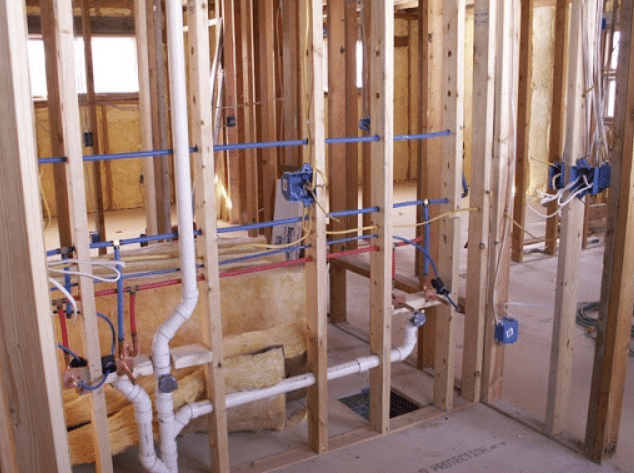
Pipe Material Options
Copper, PEX and CPVC: Choosing the Right Pipe
In the past, galvanized steel or iron was used for water pipes. Those pipes were durable but not rust-proof, and they corrode over time, which creates the need for repiping. Today’s options each have their own strengths, and the right choice depends on the property and the project.
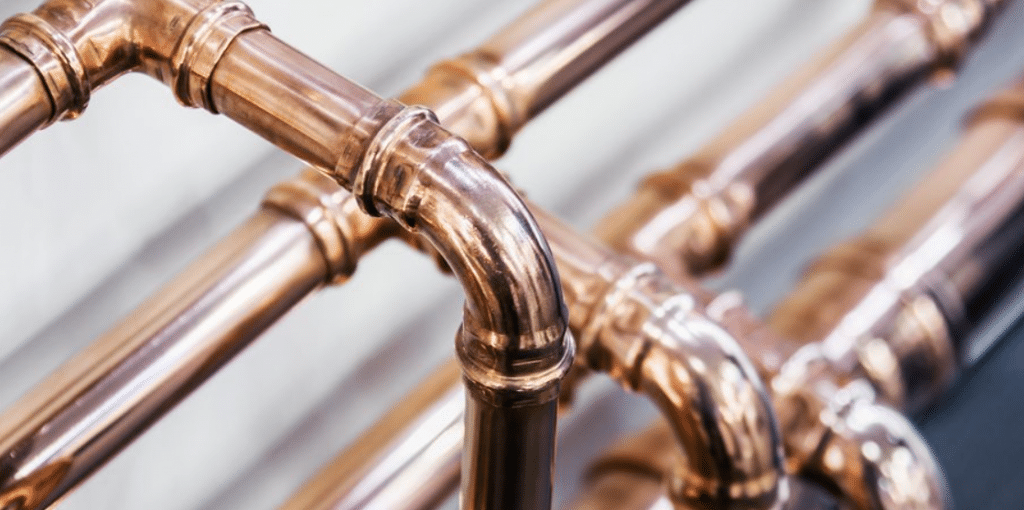
New copper supply piping
Copper
Lighter than steel and resistant to corrosion and rust. A long-established choice for water supply lines in homes and buildings.
PEX
Cross-linked polyethylene. Flexible, so fewer fittings are needed; generally more budget-friendly than copper and resistant to scale buildup.
CPVC
Chlorinated polyvinyl chloride handles higher temperatures than standard PVC. PEX is often chosen as a more flexible alternative.
- Material matched to the building
- Scope explained before work begins
- Leak detection expertise behind every evaluation
Property Types
Repiping for Homes, Multi-Unit and Commercial Buildings
Every repipe replaces the water supply system, but the planning looks different for a single home than for an occupied building.
Homes & Condos
Whole-house repiping for single-family homes, condos and townhomes with aging, corroded or leak-prone pipes.
- Copper or PEX supply lines
- Older galvanized and polybutylene systems
- Repeated slab or wall leaks
Apartments, HOAs & Commercial
Repiping for apartment buildings, HOA communities, offices, mid-rise buildings and senior housing, planned to minimize disruption to occupants.
How It Works
What a Repipe Project Typically Involves
Every property is different, but repipe projects generally follow these stages.
- 01
Evaluate the Plumbing
The existing pipes, leak history, water pressure and water quality are reviewed to confirm whether a repipe is the right answer.
- 02
Plan Scope & Material
Copper or PEX, pipe routing, access points and which fixtures are included are decided before work starts.
- 03
Install New Supply Lines
New hot and cold water lines are run and connected to the fixtures, replacing the old supply piping.
- 04
Test the New System
The new piping is tested before the project is complete, and access openings are addressed as agreed in the scope.
Repair or Repipe?
Why Professional Evaluation Matters Before You Repipe
Repiping is a significant investment, so the decision should be based on the actual condition of your plumbing, not guesswork. As a leak detection company, we help you make that call with evidence.
When a repair is enough
A single leak in otherwise healthy piping can usually be fixed with a targeted leak repair. Locating it precisely keeps the repair small.
When a repipe makes more sense
If leak detection finds multiple leaks, if leaks keep returning in different places, or if the pipes are a material known to deteriorate, such as aging galvanized steel or polybutylene, repairing leaks one at a time may not work out and can lead to significant water damage. Replacing the supply system addresses the root cause.
Slab leaks and repiping
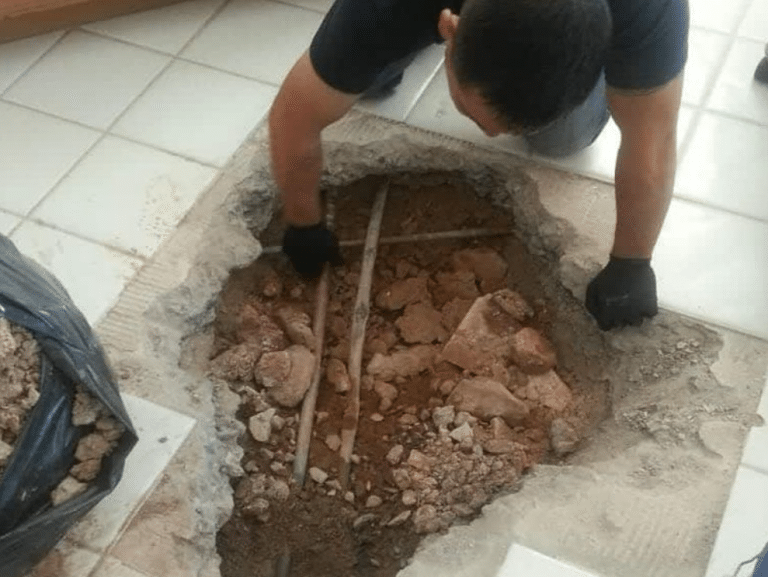
A slab leak can damage a home’s foundation and lead to costly repairs. Depending on the condition and age of the lines under the slab, the right answer may be a targeted repair or a repipe. Slab leak detection shows where the leak is and helps inform that decision.
Not every symptom means new pipes
Low pressure, discolored water and odors can come from corroding pipes, but they can also have other causes. An evaluation helps confirm the cause before you commit to a full repipe.
Tell us about the age of your property and your leak history. We will explain what makes sense to check first.
(619) 374-8554Or send a service requestRelated Leak Detection
Leak Detection Services That Inform a Repipe Decision
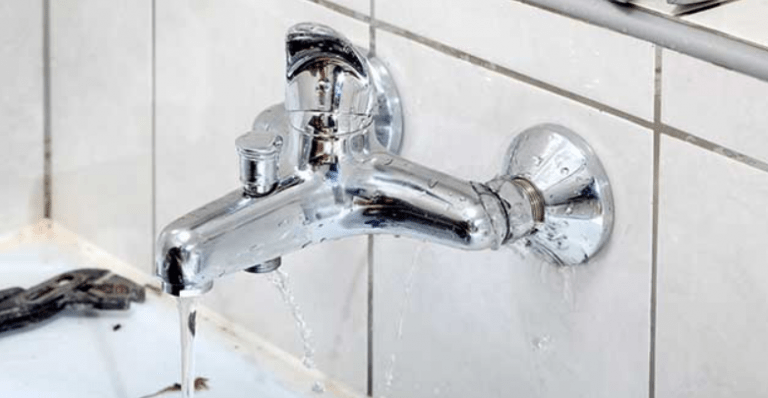
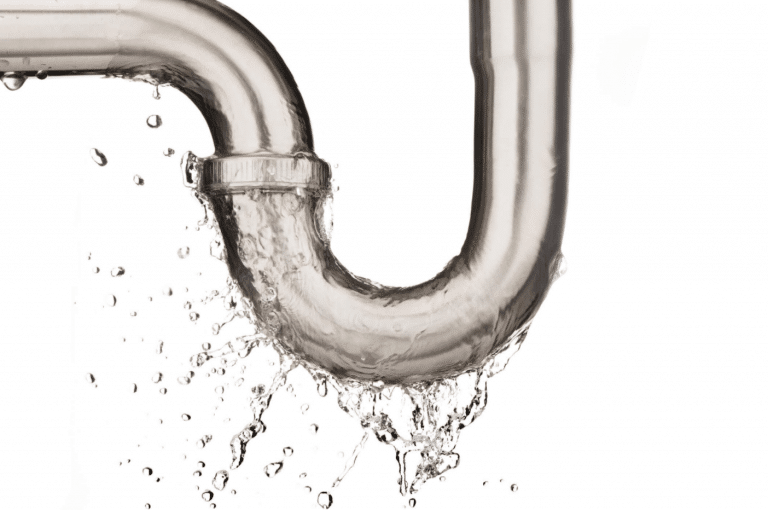
Knowing where and why your pipes are leaking is the best starting point for any repipe decision.

See all of our leak detection services.
Service Area
Plumbing Repipe Across San Diego County
For over 15 years, 1st Response Leak Detection has served the greater San Diego area. We provide repiping for homes, apartments, HOA communities and commercial buildings throughout San Diego County.
- Clairemont
- Point Loma
- La Mesa
- El Cajon
- Chula Vista
- National City
- Escondido
- Vista
- Oceanside
150 neighborhoods and communities listed
FAQs
Plumbing Repipe FAQs
Common questions about repiping. More answers on our FAQs page.
Talk to a leak detection specialist now. We answer 24 hours a day.
(619) 374-8554
What is a plumbing repipe?
It is the replacement of all of the existing hot and cold water supply pipes in a house, apartment building, commercial building or office with new copper or PEX piping and the connections to the fixtures.
How do I know if I need a repipe?
Common signs include repeated leaking pipes, slab leaks and wet foundations, corroded or weathered pipes, a drop in water pressure, foul-smelling or bad-tasting water and brown or rust-colored water. The age and material of your pipes matter too.
Is it better to repipe or keep repairing leaks?
A single leak in healthy piping can usually be repaired. If leaks keep appearing in different places or the pipes are a failure-prone material, repairing them one at a time may not work out, and repiping addresses the root cause.
Should I choose copper or PEX?
Both are common choices. Copper is corrosion resistant and long established; PEX is flexible, needs fewer fittings, is generally more budget-friendly and resists scale buildup. A specialist can help you choose based on your property.
What is polybutylene piping?
Polybutylene is a plastic water piping used in many homes built in the 1980s and 1990s. It can become brittle and deteriorate over time, which is why homes with polybutylene are often candidates for repiping.
Why do older galvanized pipes need replacing?
Galvanized steel and iron pipes build up scale and corrosion inside. That buildup cannot practically be removed or reversed, so scaled and corroded systems eventually need to be replaced.
How does leak detection help with a repipe decision?
Leak detection shows where and how often your pipes are leaking. Multiple or recurring leaks point toward a repipe; a single leak often points to a targeted repair.
Do you repipe apartments, HOA communities and commercial buildings?
Yes. See apartment repipe, HOA communities repipe and commercial repipe. We serve all of San Diego County.
Tired of Chasing Leaks?
Find Out If It Is Time to Repipe.
Contact 1st Response Leak Detection to talk about your pipes, your leak history and whether a repipe makes sense for your property.

Request a Repipe Evaluation
Send a request and we’ll get back to you quickly. For active leaks, please call.
Emergency? Call (619) 374-8554. We’re open 24 hours.