
Irrigation System Leak Detection
Irrigation System Leak Detection in San Diego
Soggy patches that never dry, weak sprinklers or a water bill that keeps rising? 1st Response Leak Detection locates leaks in buried irrigation lines, valves and sprinkler systems across San Diego County, without tearing up your lawn to search for them.
- 24/7 Emergency Service
- 15+ Years Experience
- Licensed Contractor #1063131
- Serving San Diego County
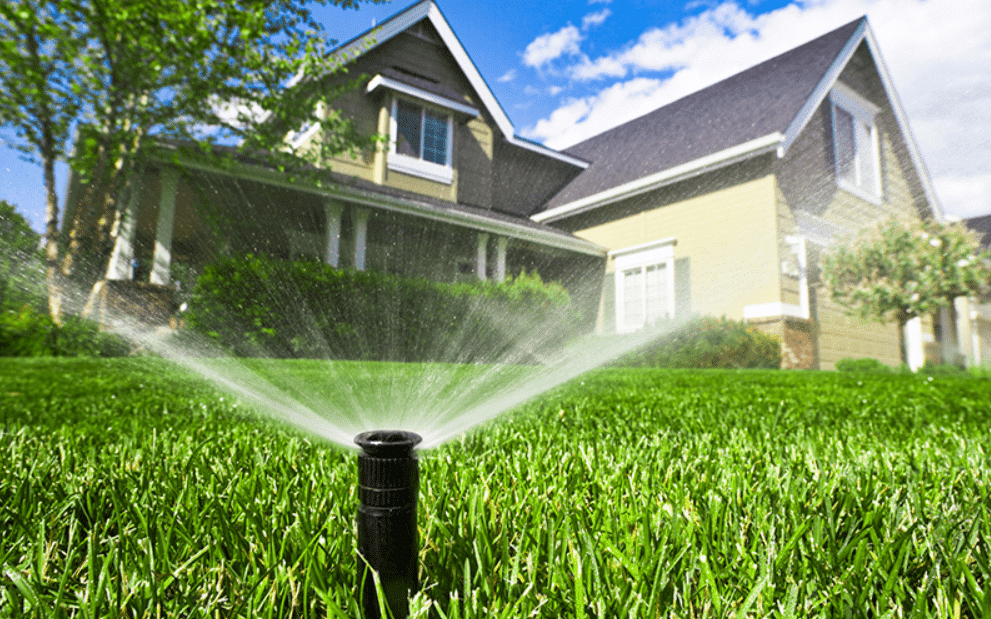
In-ground sprinkler system
Service Overview
What Is Irrigation System Leak Detection?
Quick answer
Irrigation system leak detection is the process of finding where water is escaping from a sprinkler or drip irrigation system, usually from buried lateral or main lines, valves, fittings or damaged heads, using zone testing, pressure checks and acoustic equipment so the leak can be repaired without digging up large areas of the yard.
Because an irrigation system is outside and mostly underground, small changes are easy to ignore. Water pouring non-stop from a sprinkler head is an obvious sign the system needs repair, but most irrigation leaks produce subtler symptoms that build over time: a wet area that never dries, brown spots, or a bill that rises with no clear cause.
Many modern irrigation systems are water-efficient and environmentally friendly. Unfortunately, when they break down, finding the cause of the leak can be challenging. It is important to work with a leak detection specialist who can locate the problem without displacing your lawn.
We arrive at the scheduled time, find the root cause of the leak with the right equipment and explain what we found. You will know the total cost of any repair before repair work begins.

Warning Signs
How to Tell if Your Irrigation System Is Leaking
These are the most common signs that your irrigation system needs attention.
- Sudden increase in your billNo other explanation for the rise.
- Wet areas that never dryPersistent soggy patches in the lawn.
- Water bubbling upWhen the system turns on, water rises from the ground.
- Sunken areas in the lawnSoil washing away around a leak.
- Mold or mildew on grassWhite rings or grayish-blue patches.
- Brown or dying spotsUneven watering from lost pressure.
- Weak or uneven sprayLow pressure at sprinkler heads.
- Dirty water from sprinklersA sign of a break letting soil in.
Areas that look greener than the rest of the lawn can also indicate a leak. For bill-related concerns, see high water bill detection.
System Types & Causes
Types of Irrigation Systems and What Causes Leaks
Four kinds of irrigation systems are commonly used for residential lawns, gardens and landscaping, and each can leak in different ways.
- Surface irrigation. The simplest type: a hose connected to a sprinkler.
- In-ground sprinkler systems. Common for watering lawns. They conserve water by shutting off when not needed and cover more area at once, but they rely on buried pipes, valves and heads that can leak out of sight.
- Drip irrigation. A network of tubing run alongside garden plants that releases water droplets directly at the roots. Small punctures and loose fittings are common.
- Combined systems. Some properties use a mix of systems to care for different planting areas.
Common causes of irrigation leaks
The root cause of an irrigation leak can be hard to pin down. Small holes in the lawn may point to animal damage to lines or heads. Roots, ground movement, aging fittings, damaged sprinkler heads and valves that do not close fully are also frequent culprits. Because the system is outside, minor changes are easily overlooked until the leak is significant.
Delaying makes it costlier
The longer a leak runs, the more water is wasted and the more damage it can do to landscaping, hardscape and even nearby foundations. Getting it located early is the first step in saving money.
Tell us what you are seeing in the yard. We will explain how we would track down the leak.
(619) 374-8554Or send a service requestHow It Works
How We Find an Irrigation Leak
- 01
Confirm the Loss
A meter test with the house water off shows whether the irrigation system is losing water.
- 02
Test Each Zone
Running and isolating zones narrows the leak to a specific line, valve or head.
- 03
Pinpoint the Spot
Pressure checks and acoustic equipment locate the leak along the buried line.
- 04
Explain the Repair
You get clear findings and the total cost of repair before any repair work begins.
Detection Methods
Locating Leaks Without Digging Up the Yard
We use the methods that fit your system and the symptoms, so only the leak spot needs to be opened for repair.
Meter & Zone Testing
Watching the meter while isolating the irrigation system and individual zones shows which part is leaking.
Acoustic Leak Locating
Listening equipment picks up water escaping from pressurized buried lines.
Valve & Head Inspection
Valves that do not close fully, cracked heads and loose fittings are checked and ruled in or out.
- Lawn left intact during detection
- Findings explained in plain language
- Repair cost before any repair work begins
Why It Matters
Why Professional Irrigation Leak Detection Saves Money
- Stop the waste. A leaking irrigation line can lose water every time the system runs, and main-line leaks can lose water continuously.
- Protect your landscape. Over-saturated soil, erosion and dying plants are expensive to restore.
- Avoid digging in the wrong place. Pinpointing the leak means only one small area needs to be excavated.
- Protect hardscape and foundations. Water from irrigation leaks can undermine patios, walkways and soil near the house.
If you notice unusual activity such as wet areas, low pressure or a rising bill, have it checked soon. Investing in leak detection early usually costs far less than the water and damage of waiting.
Not sure which service you need? Describe what you are seeing and we will point you in the right direction.
(619) 374-8554Or send a service requestRelated Services
Services Related to Irrigation Leaks
Outdoor leaks often connect to these services.


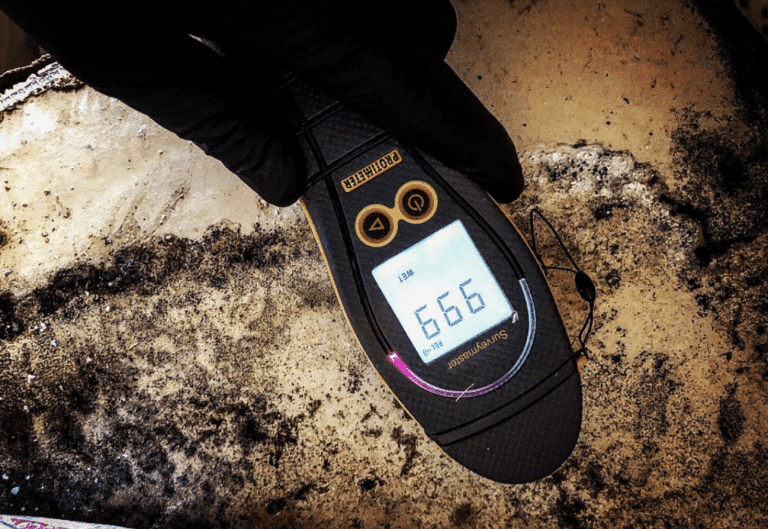
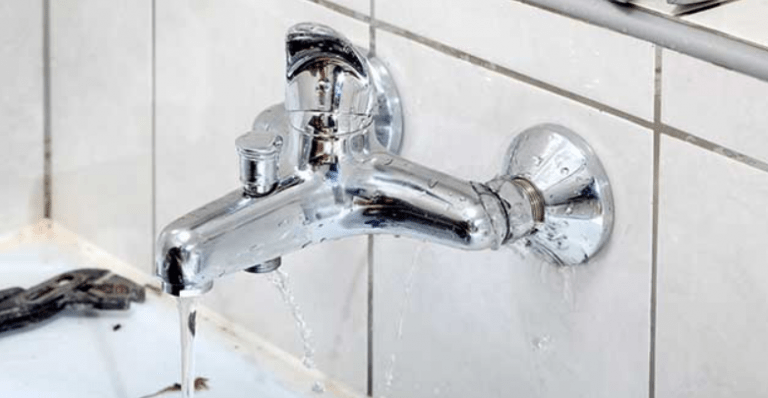
Explore all of our leak detection services.
Service Area
Irrigation Leak Detection Across San Diego County
We locate irrigation leaks for homes, HOAs and commercial landscapes throughout San Diego County, from coastal neighborhoods to inland communities.
- Rancho Santa Fe
- Poway
- Escondido
- Fallbrook
- Vista
- Carlsbad
- Rancho Bernardo
- Santee
- Chula Vista
150 neighborhoods and communities listed
FAQs
Irrigation Leak FAQs
Common questions about irrigation leaks. More answers on our leak detection FAQs page.
Talk to a leak detection specialist now. We answer 24 hours a day.
(619) 374-8554
How do I know if I have an irrigation leak?
Look for wet areas that never dry, water bubbling up when the system runs, sunken spots, mold rings on grass, brown spots, weak sprinkler spray and a water bill that rises without explanation. Patches that look greener than the rest of the lawn can also indicate a leak.
Can an irrigation leak raise my water bill?
Yes. A leaking line loses water every time the system runs, and a leak on the main irrigation line can lose water continuously. A rising bill is one of the most common signs.
Can you find the leak without digging up my lawn?
Yes. Zone testing, pressure checks and acoustic equipment locate the leak along the buried line, so only the leak spot needs to be opened for repair.
What causes irrigation leaks?
Common causes include animal damage, roots, ground movement, aging fittings, damaged sprinkler heads and valves that do not close fully.
Do you check drip irrigation systems?
Yes. We check in-ground sprinkler systems, drip irrigation and combined systems.
Why is dirty water coming out of my sprinklers?
Dirty water can mean a break in the line that is letting soil in. It is a sign the system should be checked for a leak.
Do you provide irrigation leak detection throughout San Diego County?
Yes. Call (619) 374-8554, available 24/7, or see all service areas.
Think You Have a Leak?
Find the Leak, Keep the Lawn.
Contact us for irrigation leak detection. We will locate the leak without tearing up your yard and explain the repair before any work begins.

Request Irrigation Leak Detection
Send a request and we’ll get back to you quickly. For active leaks, please call.
Emergency? Call (619) 374-8554. We’re open 24 hours.