
Copper Repipe
Copper Repipe in San Diego
Copper repiping replaces corroded, scaled or leak-prone water supply lines with new copper pipe. 1st Response Leak Detection provides copper repiping for homes, apartment buildings and commercial spaces across San Diego County, after confirming the condition of your existing plumbing.
- 15+ Years Serving San Diego
- Licensed Contractor #1063131
- Copper & PEX Repiping
- Homes & Buildings
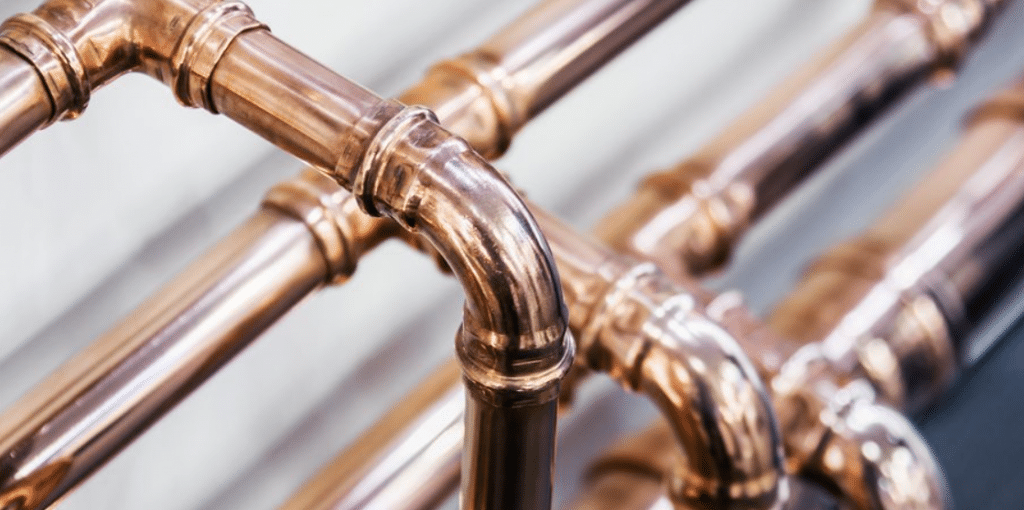
New copper supply lines and fittings
Service Overview
What Is a Copper Repipe?
Quick answer
A copper repipe is the replacement of all of a building’s existing hot and cold water supply pipes with new copper pipe and fittings. Copper is a rigid, corrosion-resistant metal that has long been used for water lines, and it is often chosen to replace aging galvanized steel, iron or failing plastic piping.
Copper or PEX repiping means substituting all of the existing hot and cold water pipes in a house, apartment building, commercial building, industrial building or office. The process involves removing or abandoning the existing supply pipes and replacing them with new piping and connections to the fixtures.
In the past, galvanized steel or iron was used for water pipes. Those pipes were durable, but not rust-proof, and they corrode over time. Copper is lighter than steel and resists corrosion and rust, which is why it has been a standard material for water supply lines for decades.
If you are interested in copper repiping for your home, apartment building or commercial space, our team has the experience to help. We look at your current pipes and leak history first, so you know whether a copper repipe is the right solution.

When to Consider It
Signs You May Need a Copper Repipe
If you are dealing with any of these issues, consider copper repiping.
- Leaking pipesLeaks that keep returning after repairs.
- Slab leaks and wet foundationsFailing lines beneath the slab.
- Pipe weatheringCorrosion, rust or pitting on pipes.
- Drop in water pressureSmall or dramatic pressure loss.
- Foul water odor or tasteWater quality affected by the pipes.
- Brown or corroded waterRust from aging metal lines.
- Aging galvanized steelOlder homes with original metal pipes.
- Failing plastic pipingSuch as brittle polybutylene.
Want to compare with flexible tubing? See PEX repipe.
Copper Repiping
Why Choose Copper for a Repipe
Copper has properties that make it a dependable choice for water supply lines:
- Corrosion and rust resistance. Copper resists the rust that destroys galvanized steel and iron pipes.
- Lighter than steel. Easier to handle and install than older steel piping.
- Rigid and durable. Copper holds its shape and can be supported along long runs.
- Long track record. It has been used for water supply lines for many decades.
Copper compared with other materials
Among the common pipe materials, one will be the best fit for your property:
- Copper: lighter than steel and resistant to corrosion and rust.
- CPVC: chlorinated polyvinyl chloride, which handles higher temperatures than standard PVC.
- PEX: cross-linked polyethylene, a flexible alternative to CPVC that needs fewer fittings. See PEX repipe.
Water chemistry and copper
Copper is corrosion resistant, not corrosion proof. In some water systems, water chemistry can contribute to pinhole leaks in copper over time. If an existing copper system has developed many pinhole leaks, that history is worth discussing when choosing the material for the new system.
Tell us about your property and current pipes. We will help you compare the options.
(619) 374-8554Or send a service requestHow It Works
What a Copper Repipe Typically Involves
- 01
Evaluate Existing Pipes
Material, age, leak history, pressure and water quality are reviewed.
- 02
Plan Routing & Access
Because copper is rigid, routing and access points are planned carefully.
- 03
Install Copper Lines
New copper hot and cold lines are installed and connected to the fixtures.
- 04
Test the System
The new piping is tested before completion, and access openings are addressed as agreed.
Planning Considerations
What Shapes a Copper Repipe Project
These factors influence how a copper repipe is scoped and scheduled.
Access Requirements
Rigid pipe usually needs more access along its route than flexible tubing, which affects where openings are made.
Water Conditions
A history of pinhole leaks in existing copper can influence the material decision.
Property Type & Scope
Homes, apartment buildings and commercial spaces each need different scheduling.
- Scope explained before work begins
- Material matched to the property
- Leak history reviewed first
Leak Detection First
Using Leak Detection to Decide on a Copper Repipe
The best repipe decisions are based on evidence. Leak detection tells you whether you have one problem or a failing system.
- A single leak in otherwise sound pipe can usually be fixed with a targeted leak repair.
- Repeated leaks in different places, or widespread corrosion, point toward a repipe.
- Slab leaks can be located with slab leak detection, so you understand the condition of the lines under the foundation before choosing a repair or repipe.
Seeing stains, damp floors or a rising bill? Check the signs of a leak.
Not sure which service you need? Describe what you are seeing and we will point you in the right direction.
(619) 374-8554Or send a service requestRelated Services
Related Repipe and Leak Detection Services
Compare materials, or find out what is happening in your current pipes.


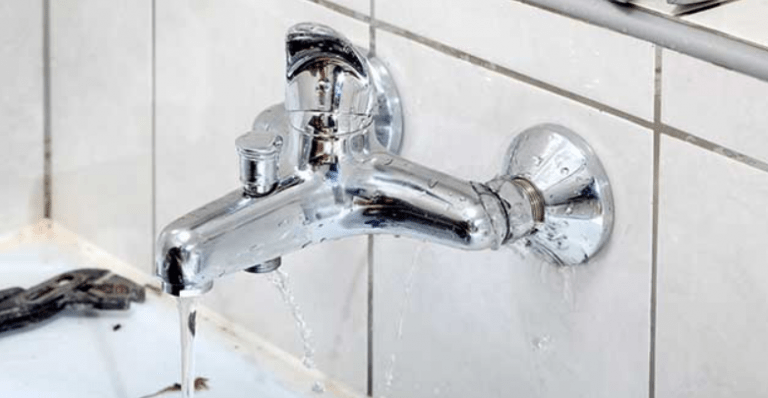
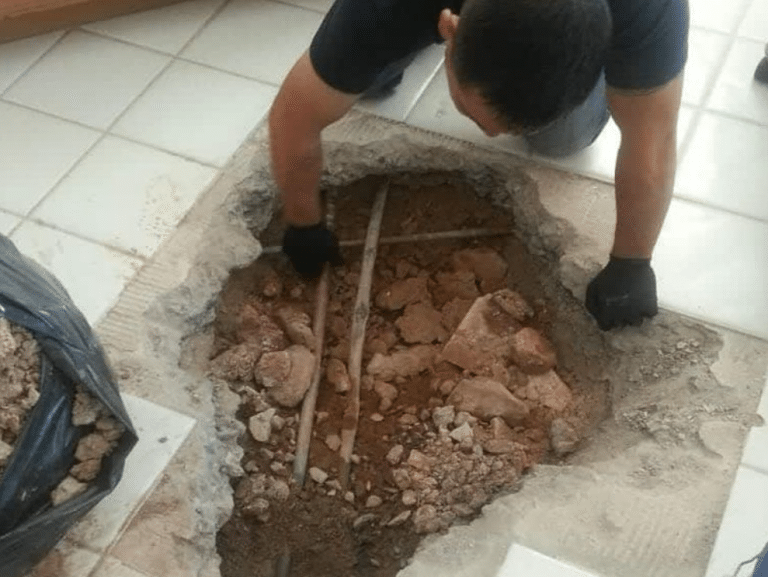
Planning a repipe? Tell us about your property.
Service Area
Copper Repiping Across San Diego County
We provide copper repiping for homes, apartment buildings and commercial spaces throughout San Diego County.
- Point Loma
- Ocean Beach
- Kensington
- Normal Heights
- La Mesa
- Bonita
- Poway
- Vista
- Carlsbad
150 neighborhoods and communities listed
FAQs
Copper Repipe FAQs
Common questions about repiping with copper. More answers on our FAQs page.
Talk to a leak detection specialist now. We answer 24 hours a day.
(619) 374-8554
What is a copper repipe?
It is the replacement of all of a building’s existing hot and cold water supply pipes with new copper pipe and fittings.
Why choose copper over galvanized steel?
Galvanized steel and iron pipes rust and build up scale over time. Copper is lighter than steel and resists corrosion and rust.
Is copper better than PEX?
Neither is best for every property. Copper is rigid, corrosion resistant and long established; PEX is flexible, needs fewer fittings and is generally less expensive. A specialist can help you choose.
Can copper pipes develop leaks?
Yes. Copper is corrosion resistant, not corrosion proof. In some water systems, water chemistry can contribute to pinhole leaks over time.
What signs suggest I need a copper repipe?
Recurring leaking pipes, slab leaks and wet foundations, pipe weathering, a drop in water pressure, foul odor or taste and brown or corroded water.
Do you repipe apartment buildings and commercial spaces with copper?
Yes. See apartment repipe and commercial repipe.
Do you offer copper repiping throughout San Diego County?
Yes. Call (619) 374-8554 or see all service areas.
Considering Copper?
Replace Corroded Pipes With Copper.
Contact 1st Response Leak Detection to talk about your current pipes and whether a copper repipe is the right fit for your property.

Request a Repipe Evaluation
Send a request and we’ll get back to you quickly. For active leaks, please call.
Emergency? Call (619) 374-8554. We’re open 24 hours.