
HOA Communities Repipe
HOA Communities Repipe in San Diego
Aging pipes affect an entire community: leaks between units, rising repair costs and declining property values. 1st Response Leak Detection helps HOA boards and property managers across San Diego County evaluate and repipe community plumbing with copper or PEX.
- 15+ Years Serving San Diego
- Licensed Contractor #1063131
- Copper & PEX Repiping
- HOA Boards & Managers
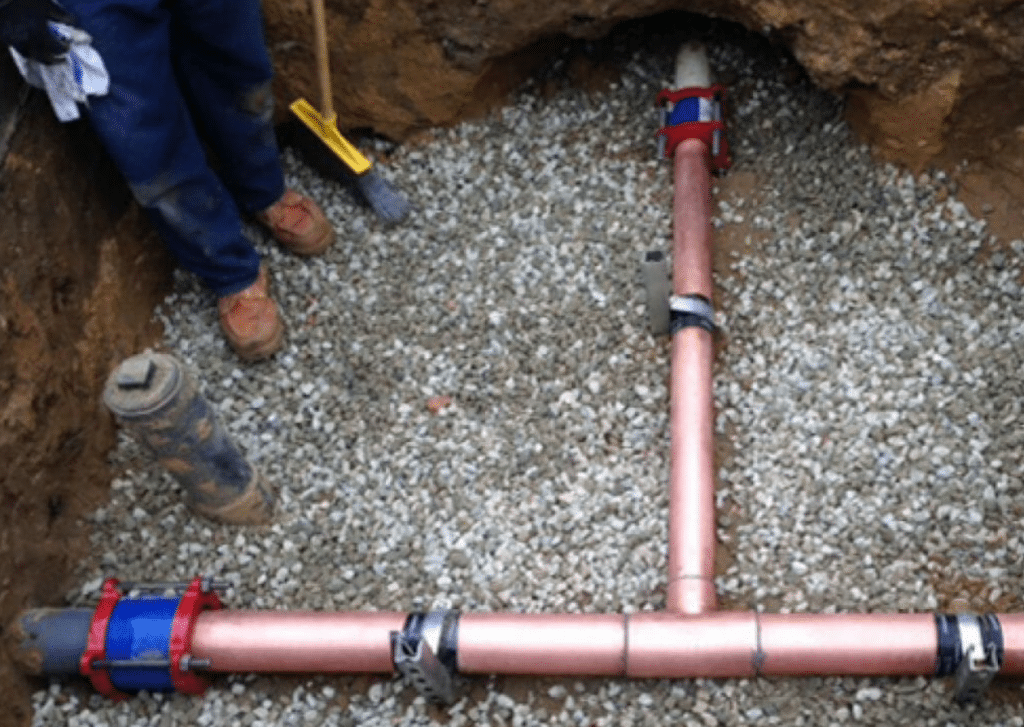
Water line replacement in a community
Service Overview
What Is an HOA Communities Repipe?
Quick answer
An HOA communities repipe is the planned replacement of aging water supply piping across a homeowners association community, such as condominium buildings, townhome rows and shared lines, with new copper or PEX. It is coordinated with the HOA board and property manager so work is phased, residents are informed and the community’s plumbing meets HOA and state requirements.
Homeowners association communities have to follow plumbing rules set both by the HOA and by state guidelines. If you are concerned that your community’s plumbing is not up to standard, or you want to make overall improvements, 1st Response Leak Detection can help. We assist HOA property managers throughout San Diego County.
In the past, galvanized steel or iron was commonly used for water pipes. Those pipes were durable but not rust-proof, and over time they corrode, creating the need for repiping. An expert can guide the board on whether repiping is needed and which material fits the community best.
For over 15 years, 1st Response Leak Detection has served the greater San Diego area. We work as efficiently as possible to minimize disruption to residents’ daily lives, keep work areas clean and remove debris each day.

Warning Signs
Signs Your HOA Community May Need Repiping
When these problems show up across a community, the board should discuss the condition of the plumbing.
- Leaks between unitsWater damage moving from one home to another.
- Recurring pipe repairsThe same problems in multiple buildings.
- Rising maintenance costsPlumbing repairs eating into the budget.
- Discolored waterRust-colored water from aging lines.
- Low water pressureReported by multiple residents.
- Galvanized or older pipesOriginal metal piping nearing end of life.
- Resident complaintsIncreasing service requests to management.
- Insurance or value concernsWater damage history affecting the community.
Want to know where leaks are coming from first? See commercial leak detection for managed properties.
Why Repipe
Reasons to Repipe Your HOA Community
If you are part of an HOA board, the condition of the community’s plumbing deserves a place on the agenda. Repiping an HOA community helps:
- Stop leaks that ruin possessions. Water damage affects residents’ belongings and common areas alike.
- Keep maintenance and repair costs low. Fewer emergency repairs means a more predictable budget.
- Stop deterioration of adjacent pipework. Failing sections put stress on connected lines.
- Increase the community’s overall value. Updated plumbing protects property values.
Meeting HOA and state requirements
HOA communities must meet plumbing standards set by the association and by state guidelines. A planned repipe is an opportunity to bring the community’s water supply system up to standard.
Choosing a material
Both PEX and copper are used in community repipes. The right choice depends on the buildings, the layout and the budget.
Tell us about the community, its age and the plumbing issues reported. We will explain how we would approach it.
(619) 374-8554Or send a service requestHow It Works
How HOA Repipe Projects Are Typically Planned
- 01
Assess the Community
Pipe materials, leak history and resident reports are reviewed with management.
- 02
Plan With the Board
Scope, material, phasing and communication with residents are agreed.
- 03
Repipe in Phases
Buildings or sections are repiped according to the plan to limit disruption.
- 04
Test & Close Out
New lines are tested, debris is removed and access openings are addressed as agreed.
Planning Considerations
What Shapes an HOA Repipe
Community projects involve more stakeholders than a single home. These factors affect planning.
Governing Documents
Responsibility for common-area and in-unit piping can differ under each community’s governing documents, which shapes the scope.
Resident Communication
Residents need notice of access needs and water shutoffs for each phase.
Phasing & Budget
Large communities are often repiped building by building to match budget and minimize disruption.
- Disruption to residents kept low
- Debris removed daily
- Scope explained before work begins
Leak Detection First
How Leak Detection Helps HOA Boards Decide
Boards need evidence before approving a major project. Leak detection provides it.
- Isolated leaks may only need a targeted leak repair.
- Leaks across multiple buildings or recurring failures point toward a planned repipe.
- Slab leaks under buildings can be located with slab leak detection so the board understands the condition of those lines.
Clear findings help the board weigh repair costs against a community-wide repipe.
Not sure which service you need? Describe what you are seeing and we will point you in the right direction.
(619) 374-8554Or send a service requestRelated Services
Related Services for HOA Communities
Services that often support HOA plumbing decisions.

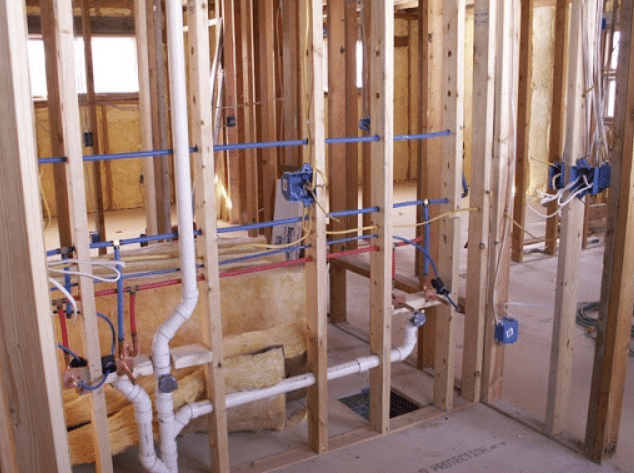

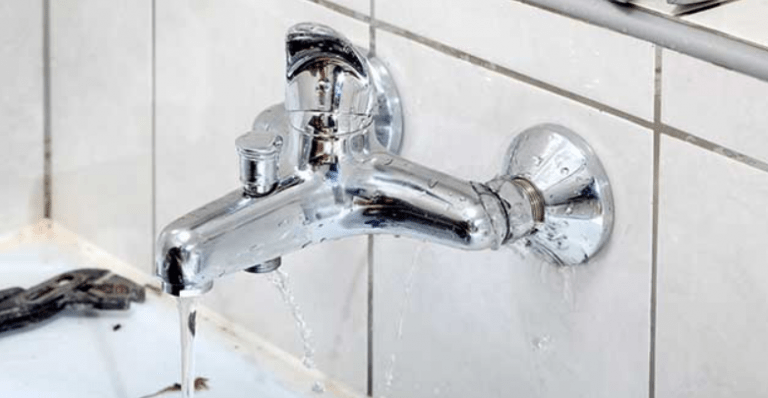
Planning a community repipe? Tell us about your HOA.
Service Area
HOA Repiping Across San Diego County
We help HOA communities large and small throughout San Diego County.
- Carmel Valley
- Rancho Bernardo
- Scripps Ranch
- Mira Mesa
- Eastlake
- Otay Ranch
- Carlsbad
- Oceanside
- Escondido
150 neighborhoods and communities listed
FAQs
HOA Repipe FAQs
Common questions from HOA boards and property managers. More answers on our FAQs page.
Talk to a leak detection specialist now. We answer 24 hours a day.
(619) 374-8554
Why should an HOA consider repiping?
Repiping helps stop leaks that damage residents’ belongings and common areas, keeps maintenance and repair costs down, stops deterioration of adjacent pipework and protects the community’s overall value.
What plumbing rules do HOA communities have to follow?
HOA communities must follow plumbing standards set by the association and by state guidelines. A repipe can bring the water supply system up to standard.
Who is responsible for pipes in an HOA: the association or the owner?
It depends on your community’s governing documents, which often divide responsibility between common-area and in-unit piping. Your board or management company can confirm.
Can a community be repiped in phases?
Yes. Large communities are often repiped building by building or section by section to match budgets and minimize disruption to residents.
How are residents affected during a repipe?
Residents typically need to allow access and plan around scheduled water shutoffs. Work is planned to minimize disruption, and debris is removed each day.
How can leak detection help our board decide?
Leak detection shows whether leaks are isolated or widespread, giving the board evidence to compare targeted repairs with a community-wide repipe.
Do you work with HOAs throughout San Diego County?
Yes, for communities big and small. Call (619) 374-8554 or see all service areas.
HOA Plumbing Concerns?
Protect Your Community’s Plumbing and Value.
Contact 1st Response Leak Detection to discuss your community’s plumbing and whether a phased repipe makes sense.

Request a Repipe Evaluation
Send a request and we’ll get back to you quickly. For active leaks, please call.
Emergency? Call (619) 374-8554. We’re open 24 hours.