
High Water Bill Detection
High Water Bill Detection in San Diego
Is your water bill climbing even though your household uses the same amount of water? 1st Response Leak Detection finds out whether water is being lost through a hidden leak, and where, using meter checks, pressure testing, acoustic equipment and thermal imaging.
- 24/7 Emergency Service
- 15+ Years Experience
- Licensed Contractor #1063131
- Serving San Diego County

Unexplained water bill increase
Service Overview
What Is High Water Bill Detection?
Quick answer
High water bill detection is a leak investigation for properties whose water bills have risen without a matching change in water use. It confirms whether water is being lost, then traces the loss to its source, whether that is a running toilet, a dripping fixture, a cracked underground supply pipe, an irrigation line or a leak under the slab.
A higher bill does not always mean a leak. Water rates change, seasons change and households change. But when your usage habits are the same month after month and the bill keeps going up, water is very likely escaping somewhere you cannot see. There may be no puddles, stains or other obvious plumbing problems at all.
Some of the costliest leaks are completely hidden: supply lines buried underground between the meter and the house, pipes under a concrete slab and irrigation lines beneath the lawn. Because these leaks can run day and night, they can add up to a significant amount of wasted water before anyone notices.
We start by confirming whether the meter shows water moving when nothing is in use, then narrow the search to the part of the system that is losing water. You get clear findings and the total cost of any repair before repair work begins.

Warning Signs
Signs Your High Water Bill Is Caused by a Leak
These signs suggest the extra water on your bill is leaking out of the system rather than being used.
- Bill rising month after monthSame household, same habits, higher bill.
- Meter moving with water offThe clearest sign that water is escaping.
- Toilet refilling on its ownA running or silently leaking toilet.
- Dripping faucets or fixturesSmall drips waste water around the clock.
- Soggy spots in the yardA possible underground or irrigation leak.
- Warm or damp floorsCan point to a slab leak.
- Musty odors or moldHidden moisture inside walls or floors.
- Lower water pressureWater lost before it reaches the fixtures.
Warm floors or damp carpet too? Read about slab leak detection.
Why Bills Go Up
Common Causes of a High Water Bill
Here are the most common reasons for an above-average water bill, from the easy to spot to the completely hidden.
Leaky toilets and faucets
Faucet and fixture leaks are among the most common plumbing problems, and they waste a surprising amount of water. A toilet with a worn flapper or fill valve can leak into the bowl silently, so you may never hear it. Over a year, drips and running toilets can waste thousands of gallons. If there is any sign of a leaking fixture, have it checked and repaired promptly.
Cracked or leaking supply pipes
Cracked pipes are another major source of lost water, and they are difficult to notice because many water lines run underground or inside walls. Age, corrosion, ground movement and water pressure can all crack a supply line. If your bill jumps and nothing inside the house looks wrong, the leak may be on the line between the meter and the house.
Slab and irrigation leaks
Leaks in water lines beneath a concrete foundation and in buried sprinkler lines can run continuously without visible water. Both are common causes of unexplained bills and both require testing to locate. See slab leak detection and irrigation system leak detection.
Billing rate changes
Water rates change over time. Before assuming a leak, call your water provider and ask them to compare your current and previous bills, including the usage per unit on the meter, so you can see whether usage or the rate has changed.
Tell us how much your bill has changed and what you have already checked. We will explain how we would track down the loss.
(619) 374-8554Or send a service requestHow It Works
How We Track Down the Leak Behind Your Bill
- 01
Check the Meter
With all water turned off, we watch the meter and leak indicator to confirm water is being lost.
- 02
Divide the System
Testing separates the house, the main supply line, the irrigation system and fixtures to find which part is leaking.
- 03
Pinpoint the Leak
Pressure testing, acoustic equipment and thermal imaging locate the leak in walls, under slabs or underground.
- 04
Explain the Fix
You get clear findings and the total cost of repair before any repair work begins.
Detection Methods
How We Find Water You Are Paying For but Not Using
The right test depends on where the meter says the water is going. These are the methods we use most often on high water bill calls.
Meter & Pressure Testing
Watching the meter with everything off, then pressurizing sections of the plumbing, shows whether water is leaking and which line is losing it.
Acoustic Leak Locating
Listening equipment picks up the sound of water escaping a pressurized pipe underground or beneath concrete.
Thermal Imaging
Thermal cameras reveal temperature patterns from leaking hot water lines and wet materials inside walls and floors.
Fixture & Irrigation Checks
Toilets, faucets, water heaters and irrigation zones are checked so common sources are confirmed or ruled out.
- Find the source, not just the symptom
- Findings explained in plain language
- Repair cost before any repair work begins
Before You Call
How to Check for a Hidden Leak Yourself
A few simple checks can tell you whether a leak is likely. They will not show you where a hidden leak is, but they help you decide whether professional detection is needed.
- Compare your bills. Look at the same months in previous years and ask your water provider whether rates have changed.
- Do a meter test. Turn off every faucet, appliance and the irrigation system, then look at the meter. If the dial or leak indicator is still moving, water is escaping.
- Check your toilets. Listen for refilling when no one has flushed. A few drops of food coloring in the tank that show up in the bowl without flushing indicate a leak.
- Walk the property. Look for soggy patches in the yard, damp carpet, warm floor spots and water around the water heater.
Why professional detection is worth it
- Less guesswork. Testing confirms which part of the system is leaking before anything is opened.
- Less damage. Leaks inside walls or under concrete can be pinpointed so repairs are targeted.
- Stop the waste. Every month a hidden leak runs is another month of paying for water you never used, and moisture can lead to mold and damaged materials.
Not sure which service you need? Describe what you are seeing and we will point you in the right direction.
(619) 374-8554Or send a service requestRelated Services
Services That Often Follow a High Bill Investigation
Once the meter confirms a leak, the next step depends on where the water is going.
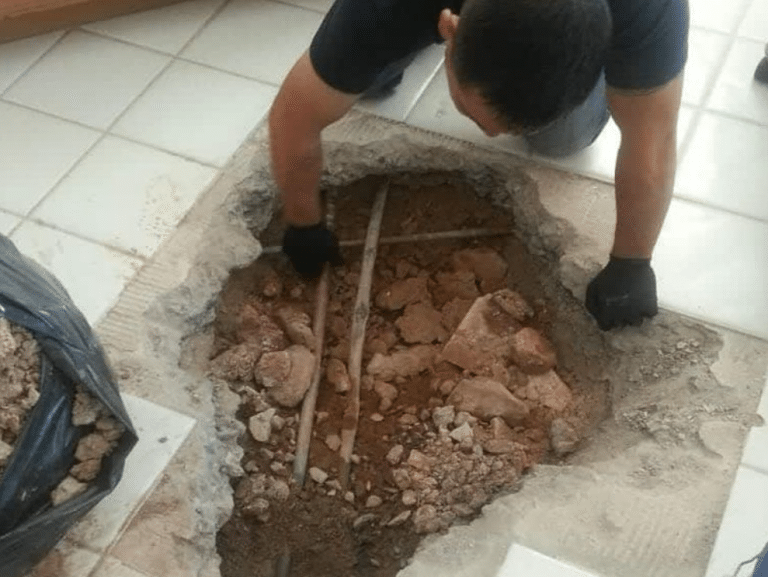

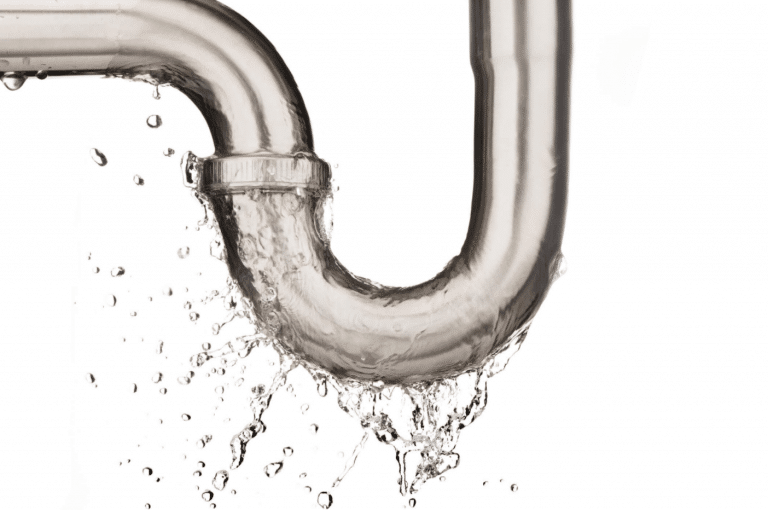
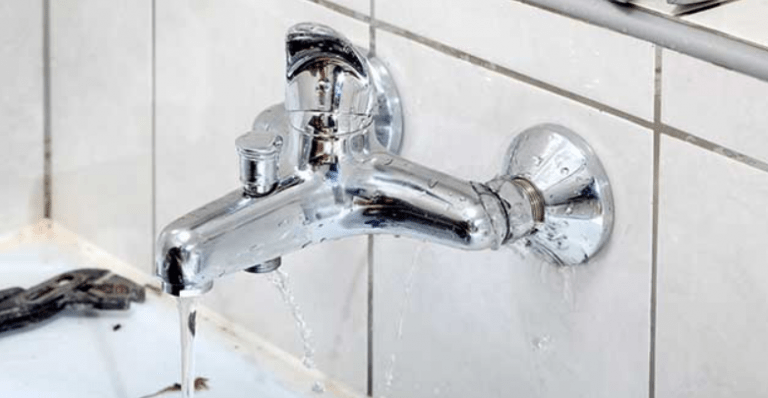
Not sure where the water is going? See all of our leak detection services.
Service Area
High Water Bill Detection Across San Diego County
We investigate unexplained water bills for homes, condos, HOAs and commercial properties throughout San Diego County, with 24/7 service.
- Downtown San Diego
- Mira Mesa
- Rancho Bernardo
- Pacific Beach
- Point Loma
- Vista
- National City
- Spring Valley
- Encinitas
150 neighborhoods and communities listed
FAQs
High Water Bill FAQs
Questions we hear from San Diego homeowners and property managers about high water bills. More answers on our leak detection FAQs page.
Talk to a leak detection specialist now. We answer 24 hours a day.
(619) 374-8554
Why is my water bill suddenly so high?
The most common reasons are a leaking or running toilet, dripping fixtures, a cracked supply pipe, an irrigation leak, a slab leak or a change in water rates. If your usage has not changed and rates have not changed, a hidden leak is the most likely cause.
Can a hidden leak raise my bill if I do not see any water?
Yes. Leaks in underground supply lines, beneath a concrete slab or in irrigation lines often leave no visible water inside the home, but they run continuously and show up on the bill.
How do I check my water meter for a leak?
Turn off all faucets, water-using appliances and the irrigation system, then watch the meter. If the dial or leak indicator keeps moving, water is leaving the system somewhere.
Can a running toilet really increase my water bill?
Yes. A toilet that leaks into the bowl or keeps refilling can waste a large amount of water over a billing period, sometimes without making noticeable noise.
Should I call my water company first?
It is a good idea. Ask them to compare your current and previous bills and confirm whether rates have changed. If usage itself has gone up and you cannot find the cause, call us to locate the leak.
Can you find leaks in underground and irrigation lines?
Yes. We use pressure testing and acoustic equipment to locate leaks in buried supply lines and irrigation systems without digging up the yard to search.
Do you provide high water bill detection throughout San Diego County?
Yes. We serve all of San Diego County. Call (619) 374-8554, available 24/7, or see all service areas.
Think You Have a Leak?
Stop Paying for Water You Never Used.
Tell us how your bill has changed and we will find out whether a hidden leak is to blame, where it is and what it will take to fix.

Request High Water Bill Detection
Send a request and we’ll get back to you quickly. For active leaks, please call.
Emergency? Call (619) 374-8554. We’re open 24 hours.