
HVAC Equipment Leak Detection
HVAC Equipment Leak Detection in San Diego
Water around your air handler, a damp ceiling near the AC or musty air from the vents? 1st Response Leak Detection locates condensate leaks and plumbing-related moisture around HVAC equipment in San Diego County homes, restaurants and commercial buildings, before mold takes hold.
- 24/7 Emergency Service
- 15+ Years Experience
- Licensed Contractor #1063131
- Serving San Diego County
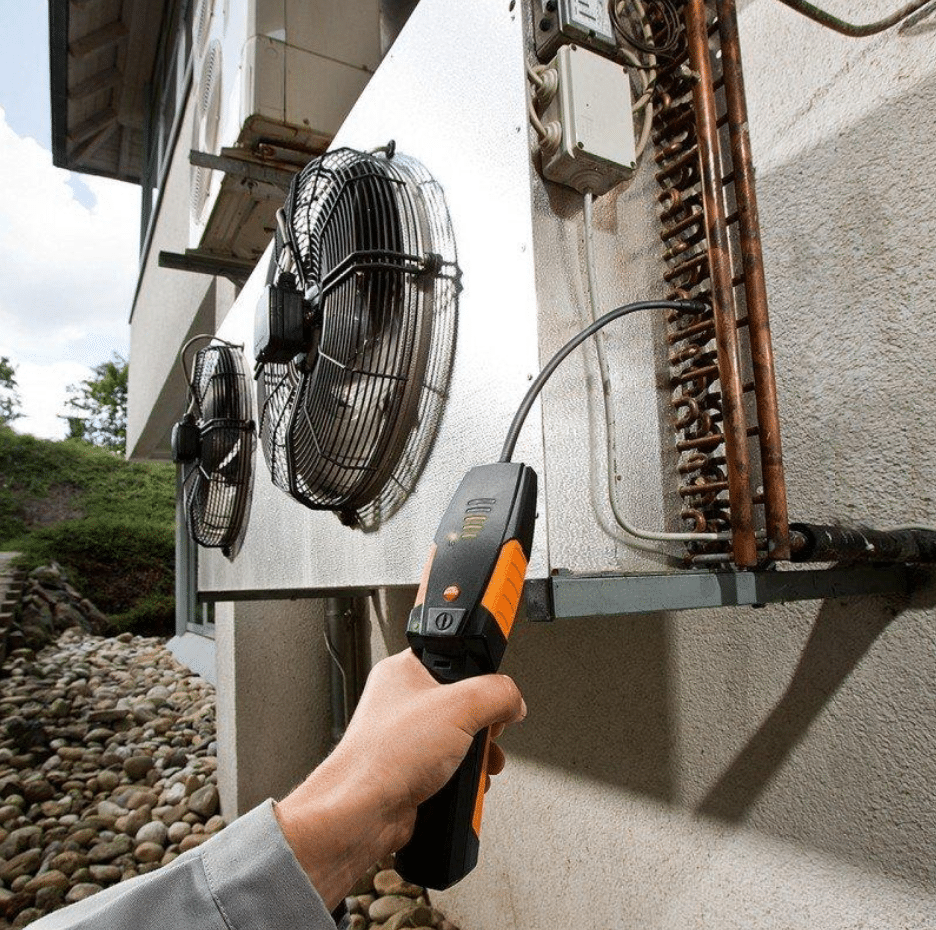
Leak check at outdoor HVAC equipment
Service Overview
What Is HVAC Equipment Leak Detection?
Quick answer
HVAC equipment leak detection is the process of finding where water and moisture are escaping around heating and cooling equipment, most often from the condensate drain line, the drain pan or nearby plumbing, and identifying plumbing problems such as leaking sewer lines whose gases can enter ductwork, so the moisture source can be repaired before it damages ceilings or feeds mold.
HVAC systems are easy to overlook, and they are prone to mold growth. Mold spores can grow in air ducts, air conditioning units, heating and cooling vents and anywhere humidifiers or dehumidifiers are used. Once mold grows in one of these areas, it can spread quickly through the system, so it pays to check them regularly.
Your home’s plumbing and HVAC system are connected in several ways. The most common is the condensate line, a plastic or sometimes metal pipe that carries water away from your heating and cooling system to the exterior or a drain. When that line clogs or leaks, water backs up into the equipment, ceilings or walls.
We locate the source of the water or moisture and explain what we find. You will know the total cost of any repair before repair work begins.
Warning Signs
Signs Your HVAC System May Be Leaking
Here are ways to tell that part of your HVAC system, or plumbing around it, may be leaking.
- Water around the AC unitPooling near the air handler or condensate line.
- Ceiling stains near equipmentOverflow from attic or closet units.
- Musty air from ventsMoisture and mold inside the system.
- Higher indoor humidityMore moisture inside than usual.
- Odors from outside indoorsOr sewer smells carried through ducts.
- Electric bill suddenly risesEquipment working harder than it should.
- Air temperature barely changesThe system runs but does not cool or heat well.
- Ice on the evaporator coilA sign the system needs attention.
Poor cooling, ice on the coil or a rising electric bill can also point to refrigerant or mechanical problems, which should be evaluated by an HVAC technician.
Plumbing & HVAC
Does Your Home’s Plumbing Affect the HVAC System?
Yes. There are three main ways plumbing problems show up in heating and cooling systems.
1. The condensate line
As air is cooled or heated, moisture condenses inside the equipment. The condensate line, also called the condensate drain line, carries that water away to the exterior of the home or to a drain. When it clogs, disconnects or cracks, water backs up into the drain pan and can overflow into ceilings, walls and floors, especially with attic and closet units.
2. Sewer gases in the ductwork
Gases from leaking sewer pipes can get into ducting. When that happens, the gases and foul odors are distributed throughout your home by the HVAC system. If you notice sewer smells from vents, see sewer odor detection.
3. Sewage backup or flooding
In severe sewage backups or flooding, wastewater can enter the HVAC system directly, contaminating ducts and equipment with hazardous bacteria and pollutants.
Commercial HVAC systems
In restaurants and commercial buildings, the HVAC system circulates and filters air throughout the space. Condensate and drain problems in commercial equipment can affect ceilings, inventory and operations, so early detection helps avoid disruption.
Tell us where the water or odor appears. We will explain how we would locate the source.
(619) 374-8554Or send a service requestHow It Works
How We Locate HVAC-Related Leaks
- 01
Inspect the Equipment
We check the air handler, drain pan and condensate line routing for backups and leaks.
- 02
Trace the Water
Moisture readings and thermal imaging follow water into ceilings, walls and floors.
- 03
Check Nearby Plumbing
Supply lines, drains and sewer lines near the equipment are checked as possible sources.
- 04
Explain the Fix
You get clear findings and the total cost of repair before any repair work begins.
Detection Methods
Finding the Source of Moisture Around HVAC Systems
We focus on water, moisture and plumbing-related causes, and confirm what we find before recommending repairs.
Condensate System Inspection
Drain pans, condensate lines and connections are checked for clogs, disconnects and cracks.
Moisture Readings
Meters measure moisture in ceilings, walls and floors around the equipment.
Thermal Imaging
Shows where water has spread from an overflow or leak behind finished surfaces.
- Moisture source located
- Findings explained in plain language
- Repair cost before any repair work begins
Why It Matters
Why HVAC Leaks Should Not Wait
- Mold spreads through ducts. Moisture in or near HVAC equipment can feed mold that the system then circulates.
- Ceiling damage. Overflowing drain pans in attics and closets cause stains, sagging drywall and damaged insulation.
- Air quality. Musty air and sewer odors from vents affect comfort and health.
- Energy costs. Equipment that is not working properly can drive up your electric bill.
Regular checks of the condensate line, drain pan and areas around HVAC equipment help catch problems early.
Not sure which service you need? Describe what you are seeing and we will point you in the right direction.
(619) 374-8554Or send a service requestRelated Services
Services Related to HVAC Leaks
HVAC moisture problems often connect to these services.


Explore all of our leak detection services.
Service Area
HVAC Equipment Leak Detection Across San Diego County
We locate HVAC-related leaks for homes, restaurants and commercial buildings throughout San Diego County.
- Kearny Mesa
- Sorrento Valley
- Scripps Ranch
- Tierrasanta
- Mission Valley
- El Cajon
- Lakeside
- Ramona
- Escondido
150 neighborhoods and communities listed
FAQs
HVAC Leak FAQs
Common questions about HVAC-related leaks. More answers on our leak detection FAQs page.
Talk to a leak detection specialist now. We answer 24 hours a day.
(619) 374-8554
Why is water leaking around my air conditioner?
The most common cause is a clogged, disconnected or cracked condensate line, which makes the drain pan overflow. Leaks from nearby plumbing can also look like an HVAC leak.
What is a condensate line?
It is a plastic or sometimes metal pipe that carries the water produced as your heating and cooling system conditions the air, routing it to the exterior of the home or to a drain.
Can plumbing problems cause odors from my vents?
Yes. Gases from leaking sewer pipes can enter ductwork and be distributed through the home. See sewer odor detection.
Can an HVAC leak cause mold?
Yes. Moisture in or around HVAC equipment and ducts can lead to mold, and the system can spread spores through the home.
Do you repair refrigerant leaks?
Our focus is water, moisture and plumbing-related leaks around HVAC equipment. Symptoms such as ice on the evaporator coil or poor cooling can also indicate refrigerant or mechanical issues, which should be evaluated by an HVAC technician.
Do you check HVAC leaks in commercial buildings?
Yes. We locate HVAC-related water leaks in restaurants and commercial buildings. See commercial leak detection.
Do you offer HVAC equipment leak detection throughout San Diego County?
Yes. Call (619) 374-8554, available 24/7, or see all service areas.
Think You Have a Leak?
Water Near Your HVAC? Stop It at the Source.
Contact us to locate condensate leaks and plumbing-related moisture around your HVAC equipment before it damages ceilings or feeds mold.

Request HVAC Leak Detection
Send a request and we’ll get back to you quickly. For active leaks, please call.
Emergency? Call (619) 374-8554. We’re open 24 hours.