
Slab Leak Detection
Slab Leak Detection in San Diego
A slab leak is a leak in the water lines that run beneath a home’s concrete foundation. 1st Response Leak Detection confirms and pinpoints slab leaks across San Diego County with pressure testing, acoustic equipment and thermal imaging, so the concrete only needs to be opened where the repair is.
- 24/7 Emergency Service
- 15+ Years Experience
- Licensed Contractor #1063131
- Serving San Diego County
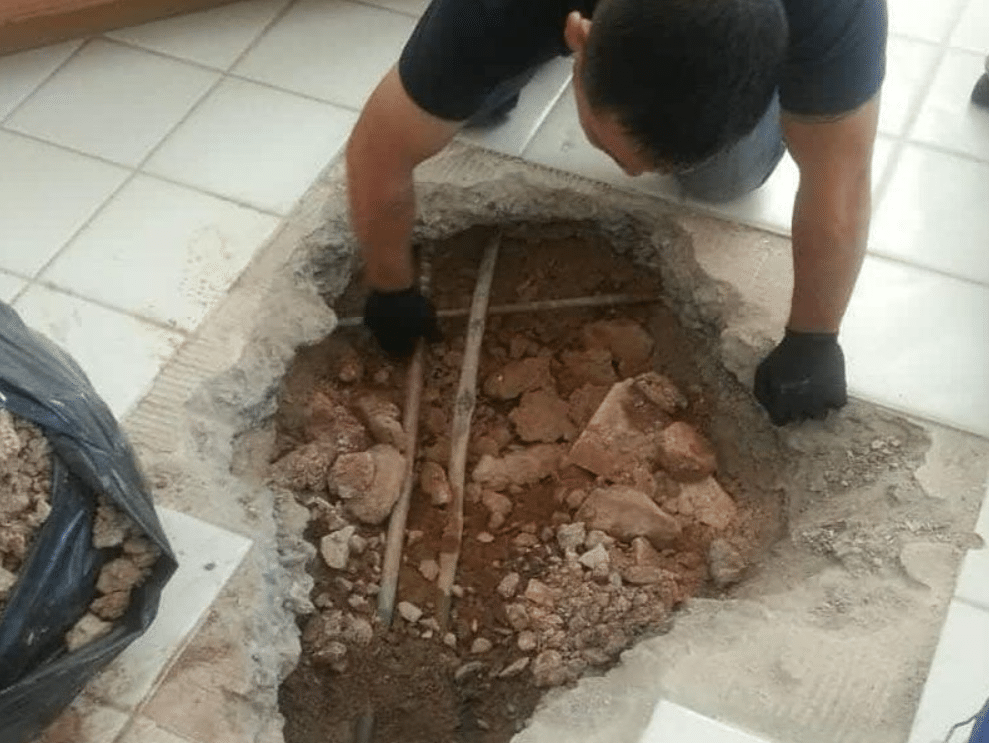
Water line exposed beneath a concrete slab
Service Overview
What Is Slab Leak Detection?
Quick answer
Slab leak detection is the process of confirming that a water line beneath a concrete foundation is leaking and pinpointing where, using pressure testing, acoustic listening equipment, thermal imaging and moisture readings. It lets a slab leak be repaired at one targeted spot instead of relying on guesswork or exploratory demolition of floors and concrete.
Many homes in Southern California are built on concrete slab foundations, with hot and cold water lines running through or beneath the slab. When one of those lines develops a leak, the water has nowhere obvious to go. It can soak into the soil under the foundation, wick up into flooring and carpet, or show up only as a water bill that keeps climbing.
A slab leak can be very hard on your wallet and cause serious problems for your home if it is left alone, which is why finding it early matters. You might need slab leak detection if your water bill is rising while your usage stays the same, if you find damp carpet or warm spots on the floor, or if you notice a musty smell with no visible source.
Our approach is simple: confirm that a leak exists, isolate which line is losing water, pinpoint the location, and then explain the findings. You will know the total cost of repair before any repair work begins.

Warning Signs
Signs You May Have a Slab Leak
Slab leaks are hidden by concrete and flooring, so the clues are usually indirect. One sign on its own is not proof of a slab leak; several together are a strong reason to have the lines tested.
- Water bill rising every monthSame usage, higher bill: one of the most significant indicators.
- Damp or wet carpetMoisture coming up through the slab into flooring.
- Warm spots on the floorOften a leak on a hot water line under the slab.
- Mold, mildew or a musty smellMold may be hidden behind walls; the smell comes first.
- Running water with everything offSound of water moving when no fixtures are in use.
- Water meter moving when idleThe meter keeps turning with all water turned off.
- Lower water pressureWater escaping the line before it reaches fixtures.
- New cracks in tile or flooringMoisture and soil movement can stress floor finishes.
Seeing one of these signs? Learn more about high water bill detection or other signs of a leak in your home.
Why Slab Leaks Happen
What Causes Slab Leaks?
Most slab leaks develop slowly. The pipes under a foundation are under constant pressure and in direct contact with concrete and soil, and over years several forces work against them.
Pressure and soil movement
Pressure is one of the most significant reasons a pipe loses its original shape and cracks. Soil can shift and move a house slightly, whether from poor construction, soil erosion or seismic activity. Even without a major earthquake, that ongoing pressure still affects the slab and the lines inside it.
Expansion, contraction and friction
Pipes expand and contract as hot and cold water flows through them, and the continuous flow of water can make the lines vibrate. Where a pipe rubs against concrete, that friction slowly wears the pipe wall thinner until it eventually leaks.
Corrosion
Corrosion is another common cause. Hot water lines tend to corrode faster than cold lines, and the problem is more common in older homes because of the pipe materials used when they were built.
How a slab leak causes water damage
Water escaping beneath the slab can rise into flooring and carpet, leaving floors damp and weakening their firmness over time. It can encourage mold and mildew growth, often behind walls where it is not visible, and it can erode the soil that supports the foundation. The longer the leak runs, the more water is wasted and the more there is to dry out and repair.
Tell us what you are noticing and we will explain how we would test the lines at your property.
(619) 374-8554Or send a service requestHow It Works
How We Locate a Slab Leak
Each step narrows the search, so the final location is confirmed before anyone suggests opening the floor.
- 01
Confirm the Leak
We check the water meter with fixtures off and pressure test the system to confirm water is being lost.
- 02
Isolate the Line
Testing narrows the leak to the hot or cold side and to the section of piping that is losing pressure.
- 03
Pinpoint the Location
Acoustic equipment, thermal imaging and moisture readings locate where the line is leaking under the slab.
- 04
Explain the Repair
You get clear findings, the repair options and the total cost of repair before any repair work begins.
Detection Methods
Tools That Find Slab Leaks Without Guesswork
Not every method is used on every job. We choose the tests based on the symptoms, the type of flooring and whether the leak appears to be on a hot or cold water line.

Thermal camera used to trace warm water lines
Pressure Testing
Isolating and pressurizing sections of the plumbing shows whether a line is losing water and helps narrow down which line it is.
Acoustic Leak Locating
Sensitive listening equipment picks up the sound of water escaping a pressurized pipe through the concrete, helping pinpoint the spot.
Thermal Imaging
A leaking hot water line often leaves a warm pattern on the floor surface that a thermal camera can trace.
Moisture Readings
Moisture meters check flooring, baseboards and walls to show how far water has spread from the leak.
- Concrete opened only where needed
- Findings explained in plain language
- Repair cost before any repair work begins
Why It Matters
Why Professional Slab Leak Detection Matters
Without accurate detection, the only way to find a leak under concrete is to start breaking it up and hope you guessed right. Professional slab leak detection replaces that guesswork with testing.
- Less demolition. Pinpointing the leak means the slab can be opened at one targeted spot rather than across a whole room.
- The right line, the right spot. Testing confirms which line is leaking before any repair decision is made.
- Protection for floors and foundation. Finding the leak early limits water damage to flooring and the soil under the slab.
- A clear next step. You understand the repair options and the total cost before work begins. If the lines keep failing, we can talk about repiping instead of repeated repairs.
What to do if you suspect a slab leak
- Turn off every faucet and water-using appliance, then look at your water meter. If it is still moving, water is going somewhere.
- Walk the floors barefoot and note any warm spots, damp carpet or new cracks in tile.
- If you see water coming up through the floor, shut off the main water valve to limit damage.
- Call 1st Response at (619) 374-8554. We are available 24/7.
Active leak? If water is spreading across the floor, turn off the water at the main shutoff and keep away from electrical outlets and appliances near the water before calling us.
Homeowners dealing with water damage from a slab leak are often not sure who to call. Our emergency line is open 24 hours a day.
(619) 374-8554Or send a service requestResidential & Commercial
Slab Leak Detection for Homes and Buildings
Slab foundations are found under single-family homes, condos and many commercial and multi-unit buildings. The testing approach is similar; the priorities differ.
Homes & Condos
For homeowners, the goal is finding the leak with as little disruption to floors and finishes as possible, and understanding the repair before committing to it.
- Hot and cold water lines under the slab
- Warm floors, damp carpet and rising bills
- Targeted repair or repipe options explained
Commercial & Multi-Unit
For property managers and businesses, slab leaks also affect tenants and operations. We identify the problem quickly and explain the repair cost before work begins.
- Apartments, HOAs and multi-unit buildings
- Offices, restaurants and retail spaces
- See commercial leak detection
Related Services
Services Often Needed With Slab Leak Detection
Slab leaks often show up first as a high water bill or hidden moisture, and are followed by a repair decision.

Confirm whether a rising bill is caused by a hidden leak, including under the slab.
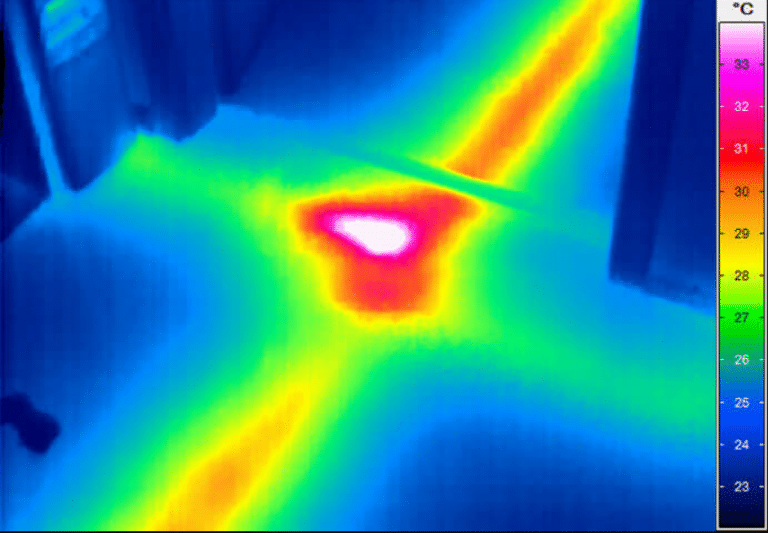
Trace warm patterns from hot water lines and hidden moisture in floors and walls.
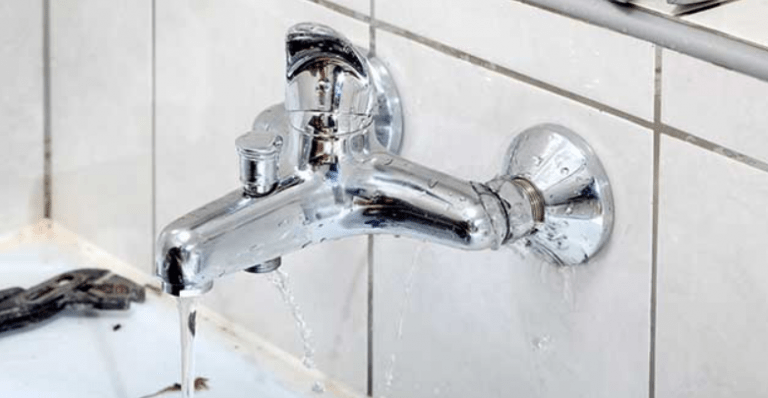
Targeted repair once the leak is located, with the total cost explained first.
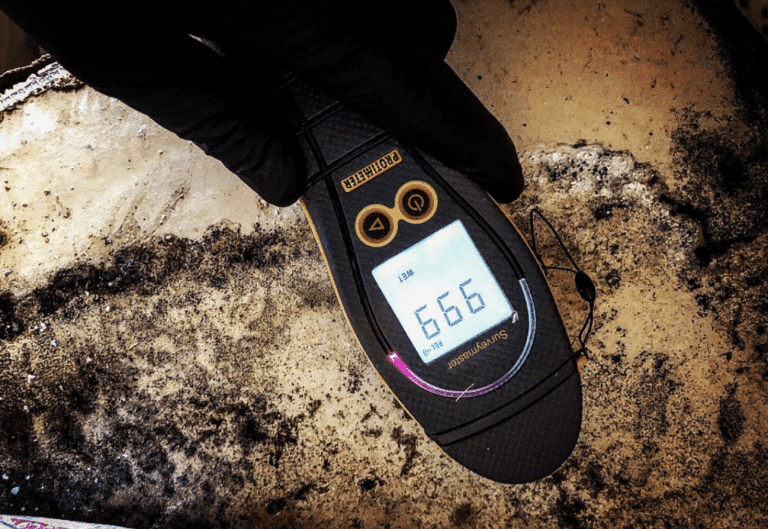
Map how far water has spread through flooring, walls and building materials.
Looking for something else? See all of our leak detection services.
Service Area
Slab Leak Detection Throughout San Diego County
We provide slab leak detection across San Diego County, from coastal communities to inland neighborhoods in North County, East County and the South Bay. Locally owned and operated, with 24/7 emergency service.
- Downtown San Diego
- Chula Vista
- Escondido
- El Cajon
- Santee
- La Mesa
- Oceanside
- Carlsbad
- Poway
150 neighborhoods and communities listed
FAQs
Slab Leak Detection FAQs
Common questions about slab leaks and how we find them. More answers on our leak detection FAQs page.
Talk to a leak detection specialist now. We answer 24 hours a day.
(619) 374-8554
What are the signs of a slab leak?
Common signs include a water bill that keeps rising while your usage stays the same, damp or wet carpet, warm spots on the floor, a musty smell or mold, the sound of running water when nothing is on, a water meter that moves with all fixtures off, and lower water pressure. Several of these together are a strong reason to have the lines tested.
Can a slab leak increase my water bill?
Yes. A leak under the slab can run continuously, so the water lost shows up on your bill even if your usage has not changed. A steady month-over-month increase is one of the most significant indicators of a slab leak. High water bill detection can confirm whether a hidden leak is the cause.
Can slab leaks be found without breaking concrete?
Yes. Detection is non-destructive: pressure testing, acoustic listening equipment, thermal imaging and moisture readings locate the leak from above the floor. Concrete only needs to be opened for the repair itself, and pinpointing the leak keeps that opening as small and targeted as possible.
What causes slab leaks?
Slab leaks are usually caused by pressure and soil movement, pipes expanding and contracting with hot and cold water, friction where pipes rub against concrete, and corrosion, which is more common on hot water lines and in older homes.
How long does slab leak detection take?
It depends on the size of the property, the plumbing layout and how many lines need to be tested. We can give you an idea of what is involved when you call and describe what you are seeing.
Is a slab leak an emergency?
If water is coming up through the floor, treat it as an emergency: shut off the main water valve and call us at (619) 374-8554, available 24/7. A slow slab leak is less urgent, but it should still be located soon, because it keeps wasting water and can damage flooring and the soil under the foundation.
Do you offer slab leak detection throughout San Diego County?
Yes. We provide slab leak detection throughout San Diego County, including Downtown San Diego, Chula Vista, Escondido, El Cajon, Santee, La Mesa, Oceanside, Carlsbad and Poway. See all service areas.
Think You Have a Leak?
Suspect a Slab Leak? Find It First.
Contact your local leak detection specialist today. We will confirm whether a slab leak exists, pinpoint where it is and explain the repair before any work begins.

Request Slab Leak Detection
Send a request and we’ll get back to you quickly. For active leaks, please call.
Emergency? Call (619) 374-8554. We’re open 24 hours.