
Water Heater Leak Detection
Water Heater Leak Detection in San Diego
Water around the base of your water heater? Rust on the tank or a damp closet floor? 1st Response Leak Detection pinpoints water heater leaks at tank and tankless units across San Diego County, so you know whether it is a valve, a fitting, a supply line or the tank itself.
- 24/7 Emergency Service
- 15+ Years Experience
- Licensed Contractor #1063131
- Serving San Diego County
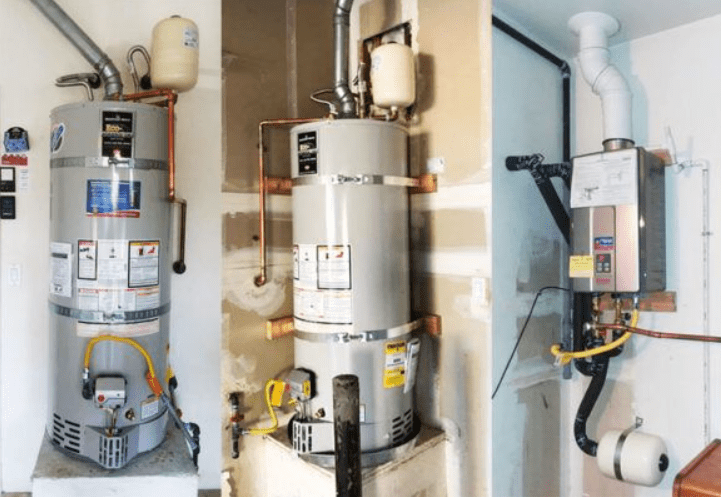
Tank and tankless water heaters
Service Overview
What Is Water Heater Leak Detection?
Quick answer
Water heater leak detection is the process of locating where water is escaping at or around a tank or tankless water heater, such as the supply and outlet connections, the temperature and pressure relief valve, the drain valve or the tank itself, and ruling out nearby plumbing that may be the real source.
The water heater plays a big role in daily life, delivering hot water for showers, cooking and washing dishes, and most people only realize how much they rely on it when it stops working. Maintenance keeps it efficient, but leaks still happen.
Water heaters are usually installed in garages, closets or utility areas next to other pipes and plumbing equipment, so the source of water on the floor is not always the heater. Water from a nearby supply line, a drain or the hot water line leaving the heater can look exactly like a tank leak. Finding the actual source is the first step to the right repair.
There is no such thing as an unimportant water heater leak. A small leak can lead to significant damage, and some leaks are caused by excessive water pressure that can damage the heater over time. We locate the source and explain the repair options, and you will know the total cost of repair before any repair work begins.
Warning Signs
Signs Your Water Heater May Be Leaking
Watch for these signs around the water heater and in the rooms nearby.
- Water pooling at the baseThe most obvious sign of a leak.
- Rust or corrosion on the tankCan signal a tank that is failing.
- Dripping from the relief valveMay point to high temperature or pressure.
- Damp closet or garage floorSlow leaks soak into the floor first.
- Less hot water than usualWater escaping or a failing heater.
- Heater running constantlyHot water may be leaking somewhere.
- Musty odor near the heaterMoisture building up out of sight.
- Higher water or energy billsWasted hot water costs twice.
Heater cycling and warm floors elsewhere? A hot water line under the slab may be leaking. See slab leak detection.
Why They Leak
Water Heaters and Why They Leak
A conventional water heater pulls in cold water, heats it with an electric element or gas burner and stores it in a large tank until you open a hot water tap. Tankless units heat water on demand as it flows through. Both connect to supply and outlet lines, and both have valves that can leak.
Improper water pressure
When the water pressure in the system is too high, or water enters the heater too forcefully, it puts stress on the tank, valves and connections. Over time that stress causes leaks, and high pressure can damage the heater itself.
Cracks in the tank
Water heaters are built to last, but not forever. Corrosion and age can cause cracks to form in the tank, which leads to leaks that usually cannot be repaired.
A loose or failing valve
Loose valves are a common cause of water heater leaks. That includes the drain valve near the bottom of the tank, the temperature and pressure relief valve and the inlet and outlet connections at the top.
How to tell if your water heater is leaking
- Dry the area first. It is hard to identify the source when a lot of water has collected. Mop up the water so you can see where new water appears.
- Shut off the cold water supply to the heater. If water stops collecting, the leak is likely at the heater or its connections.
- Check the top and bottom. Leaks tend to occur where water enters and leaves the heater at the top, and at the drain valve at the bottom.
- Look at nearby plumbing. Supply lines, drains and other equipment near the heater can be the real source.
Safety first: if the leak is significant, turn off the water supply to the heater and turn off its power or gas supply according to the manufacturer’s instructions, then call us.
Tell us what you see and where. We will help you figure out whether it is the heater or something nearby.
(619) 374-8554Or send a service requestHow It Works
How We Locate a Water Heater Leak
- 01
Inspect the Unit
We check the tank or tankless unit, valves and connections for active leaks and corrosion.
- 02
Rule Out Nearby Lines
Supply lines, drains and other equipment near the heater are checked so the true source is confirmed.
- 03
Check Pressure & Moisture
Pressure checks and moisture readings show whether pressure is a factor and how far water has spread.
- 04
Explain the Options
You get clear findings, the repair options and the total cost before any repair work begins.
Detection Methods
Finding the Exact Source at the Heater
Water heater leaks are often obvious in effect but not in origin. These methods confirm where the water starts.
Visual & Connection Inspection
Valves, fittings, flex lines and the tank are inspected for drips, mineral deposits and corrosion.
Water Pressure Check
Measuring system pressure shows whether excessive pressure is stressing the heater and plumbing.
Moisture Readings
Moisture meters check the floor, walls and cabinetry around the heater to see how far water has traveled.
Thermal Imaging
Traces hot water lines leaving the heater to check for leaks in walls or under floors.
- Heater and nearby lines both checked
- Findings explained in plain language
- Repair cost before any repair work begins
Why It Matters
Why You Should Not Ignore a Water Heater Leak
- Small leaks grow. A slow drip at a fitting can become a failure that releases a lot of water.
- Hidden damage. Water heaters often sit in closets and garages where slow leaks soak into floors, framing and drywall unseen.
- Pressure problems spread. If high water pressure is behind the leak, it can stress other fixtures and pipes too.
- Wasted energy. Leaking hot water means paying to heat water that goes down the drain.
Regular maintenance is the best way to keep your water heater efficient and catch problems early. If you notice a leak or water marks, it is better to have it checked right away.
Not sure which service you need? Describe what you are seeing and we will point you in the right direction.
(619) 374-8554Or send a service requestRelated Services
Services Related to Water Heater Leaks
Water near a heater can lead to one of these related services.

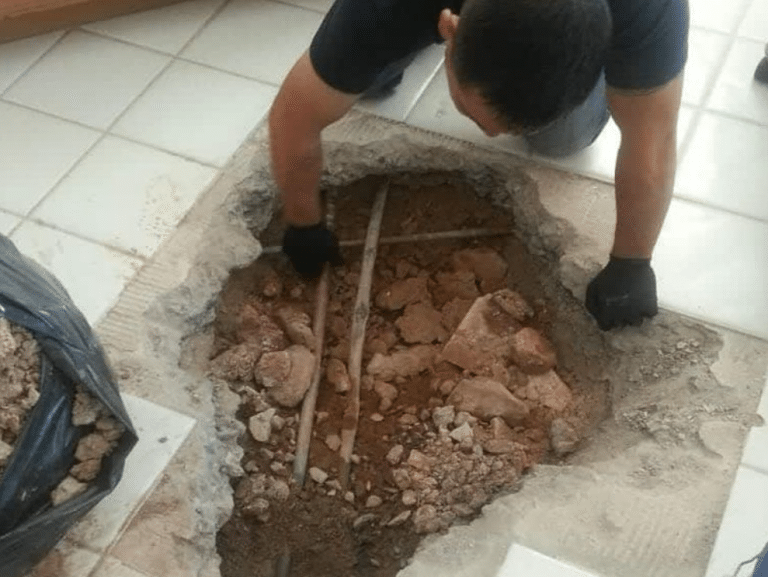

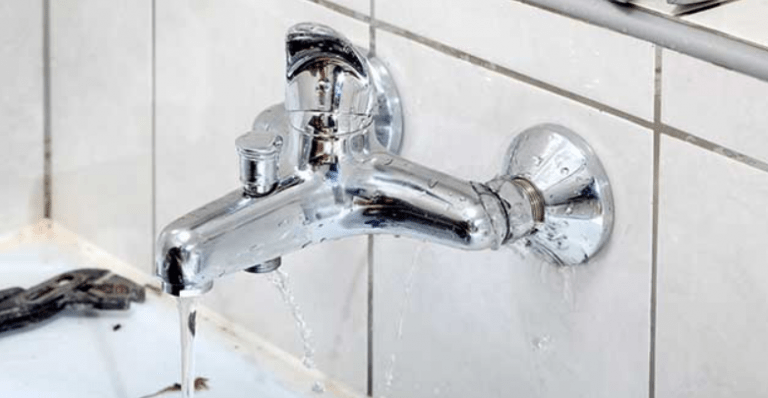
Explore all of our leak detection services.
Service Area
Water Heater Leak Detection Across San Diego County
We locate water heater leaks for homes, condos, apartments and commercial buildings throughout San Diego County, available 24/7.
- Clairemont
- Mira Mesa
- Kearny Mesa
- Chula Vista
- Spring Valley
- El Cajon
- Escondido
- Vista
- Oceanside
150 neighborhoods and communities listed
FAQs
Water Heater Leak FAQs
Common questions about leaking water heaters. More answers on our leak detection FAQs page.
Talk to a leak detection specialist now. We answer 24 hours a day.
(619) 374-8554
Why is my water heater leaking from the bottom?
Common causes include a loose or failing drain valve, water running down from a leak at the top connections, discharge from the relief valve or a crack in the tank caused by corrosion and age.
Why is water dripping from the relief valve?
The temperature and pressure relief valve releases water when temperature or pressure inside the tank is too high, or when the valve itself is failing. It should be checked, because high pressure can damage the heater.
Is a small water heater leak a big deal?
Yes. There is no unimportant leak: a small leak can lead to significant water damage, and leaks caused by high pressure can damage the heater over time.
What should I do if my water heater is leaking?
Turn off the water supply to the heater. For a significant leak, also turn off its power or gas supply following the manufacturer’s instructions. Dry the area so the source is easier to see, then call us.
Could the water be coming from somewhere else?
Yes. Water heaters are often surrounded by other pipes and equipment. Supply lines, drains and nearby fixtures can leak and look like a heater leak, which is why we confirm the source.
Do you check tankless water heaters?
Yes. We locate leaks at tankless units and their supply and outlet connections as well as conventional tank heaters.
Do you offer water heater leak detection throughout San Diego County?
Yes. Call (619) 374-8554, available 24/7, or see all service areas.
Think You Have a Leak?
Water Around the Heater? Find the Source.
Call your local leak detection specialist. We will confirm where the water is coming from and explain the repair before any work begins.

Request Water Heater Leak Detection
Send a request and we’ll get back to you quickly. For active leaks, please call.
Emergency? Call (619) 374-8554. We’re open 24 hours.