
Water Intrusion Detection
Water Intrusion Detection in San Diego
Water entering your home or building where it should not, through the roof, walls, windows, doors or foundation, causes damage long before it is obvious. 1st Response Leak Detection finds where water intrusion starts and maps how far it has spread across San Diego County properties.
- 24/7 Emergency Service
- 15+ Years Experience
- Licensed Contractor #1063131
- Serving San Diego County
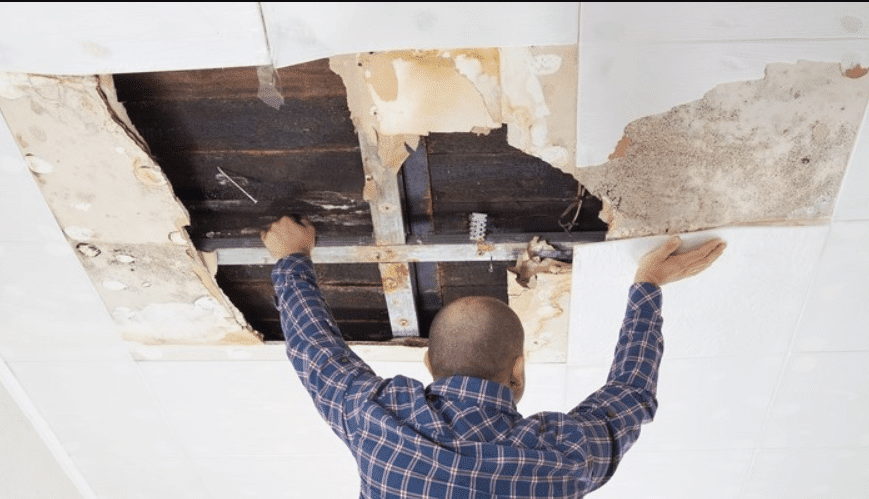
Checking above a water-damaged ceiling
Service Overview
What Is Water Intrusion Detection?
Quick answer
Water intrusion detection is the process of finding where outside water is entering a home or building, such as through roof leaks, failed seals at doors and windows, exterior wall cracks or soil moisture pushing through foundation walls, and measuring how far that water has spread through the structure so the entry point can be sealed and the damage addressed.
Water intrusion means water getting into your house or building in a way it should not. It happens mainly through leaks and flooding, and it often goes unnoticed because the water is hidden inside walls, ceilings and below-grade areas.
With roof leaks in particular, you may not realize there is a problem until the water has caused significant damage. By the time a ceiling stain makes you aware of it, there may already be structural damage in the attic and extensive mold growth.
We find the entry point, map the moisture and explain what needs to happen next. You will know the total cost of any repair before repair work begins.
Warning Signs
Signs of Water Intrusion
Water intrusion often shows up as slow, cumulative damage. Watch for these signs inside and outside the building.
- Ceiling stains or saggingOften from roof leaks above.
- Wet attic insulationOr a moldy smell in the attic.
- Damp or stained wallsNear doors, windows or lower walls.
- Mold growthIn corners, closets and behind furniture.
- Damp walls below gradeMoisture pushing through foundation walls.
- Gaps in door and window sealsSealant breaking down over time.
- Clogged or overflowing guttersWater not reaching the downspouts.
- Water pooling near the foundationGround sloping toward the building.
Need to know how far moisture has traveled? See moisture detection.
How Water Intrudes
How Water Gets In, and How to Keep It Out
Below-grade and foundation walls
When the ground around a property becomes saturated, water can come in through cracks in the material or as water vapor through foundation and below-grade walls.
Roof leaks
Damaged or missing shingles, damaged flashing and clogged gutters are common problems that cause roofs to leak. See roof leak detection.
Doors, windows and other exterior openings
Over time, the sealing around doors and windows breaks down. Gaps should be resealed so water cannot find its way in. See window leak detection.
Keeping water away from the foundation
- Clean gutters. Clogged gutters cannot send water to the downspouts and away from the building.
- Redirect downspouts. Their outlets should send water away from the building. Consider downspout extenders if downspouts release water less than five feet from the building.
- Check your grading. If the yard slopes toward the building, a swale (a shallow ditch) may be needed to direct water away.
Tell us where you see damage or moisture. We will explain how we would find the entry point.
(619) 374-8554Or send a service requestHow It Works
How We Find Water Intrusion
- 01
Survey the Damage
We identify where moisture, stains or mold appear inside the building.
- 02
Map the Moisture
Moisture meters and thermal imaging show how far water has spread and from which direction.
- 03
Inspect the Envelope
Roof, flashing, doors, windows, walls, gutters and grading near the wet area are inspected.
- 04
Explain the Findings
You get the entry point, the extent of moisture and the repair cost before work begins.
Detection Methods
Mapping Water From Entry Point to Damage
We combine moisture measurement with a building envelope inspection to connect the damage to its source.
Moisture Mapping
Meters measure moisture in walls, floors and ceilings to trace the water path.
Thermal Imaging
Reveals moisture patterns across large wall and ceiling areas.
Building Envelope Inspection
Roofing, flashing, door and window seals, exterior walls and foundation are inspected.
Drainage Review
Gutters, downspouts and grading are checked for water directed toward the building.
- Entry point and extent both documented
- Findings explained in plain language
- Repair cost before any repair work begins
Prevention
Managing Your Property to Avoid Water Intrusion Damage
Regular checks catch water intrusion before it causes extensive damage.
- The roof. Use binoculars to look for loose, cracked or missing shingles that need prompt repair. Loose or rusted flashing should also be addressed, and check for gaps around roof openings and the chimney.
- Gutters. Check whether gutters have become blocked again, especially after storms.
- The attic. Roof leaks can be hard to see from outside. Wet insulation, mold growth or a musty smell in the attic are signs of a leak.
- Foundation and lower walls. Your foundation is an essential part of any home or commercial property. If you find signs of water intrusion such as damp walls, mold or water stains, find the cause quickly.
Not sure which service you need? Describe what you are seeing and we will point you in the right direction.
(619) 374-8554Or send a service requestRelated Services
Services Related to Water Intrusion
Water intrusion investigations often lead to these services.


Explore all of our leak detection services.
Service Area
Water Intrusion Detection Across San Diego County
We find water intrusion in homes, condos, HOAs and commercial buildings throughout San Diego County.
- Downtown San Diego
- East Village
- Mission Valley
- Sorrento Mesa
- Oceanside
- Vista
- Escondido
- El Cajon
- National City
150 neighborhoods and communities listed
FAQs
Water Intrusion FAQs
Common questions about water intrusion. More answers on our leak detection FAQs page.
Talk to a leak detection specialist now. We answer 24 hours a day.
(619) 374-8554
What is water intrusion?
Water intrusion is water entering a home or building in a way it should not, typically through roof leaks, failed door and window seals, exterior wall cracks or moisture pushing through foundation walls.
How is water intrusion different from a plumbing leak?
A plumbing leak comes from the building’s own pipes. Water intrusion comes from outside, usually rain, irrigation or groundwater, through the building envelope.
How do I keep water away from my foundation?
Keep gutters clean, make sure downspouts discharge water away from the building (use extenders if they release water less than five feet away) and check that the ground slopes away from the foundation.
Can water intrusion cause mold?
Yes. Water intrusion often goes unnoticed for a long time, and the moisture it leaves behind is a common cause of mold in walls, attics and lower floors.
How do you find where the water is coming in?
We map moisture with meters and thermal imaging to see where water has spread and from which direction, then inspect the roof, openings, walls, gutters and grading near the affected area.
Do you offer water intrusion detection throughout San Diego County?
Yes. Call (619) 374-8554, available 24/7, or see all service areas.
Think You Have a Leak?
Water Getting In? Find the Entry Point.
Contact us for water intrusion detection. We will find where water is entering, how far it has spread and explain the repair before any work begins.

Request Water Intrusion Detection
Send a request and we’ll get back to you quickly. For active leaks, please call.
Emergency? Call (619) 374-8554. We’re open 24 hours.