
Window Leak Detection
Window Leak Detection in San Diego
Water on the sill after rain, damp drywall under a window or fog between the panes? 1st Response Leak Detection finds window leaks in San Diego County homes and buildings, including whether the water is coming through the window itself or the wall around it.
- 24/7 Emergency Service
- 15+ Years Experience
- Licensed Contractor #1063131
- Serving San Diego County
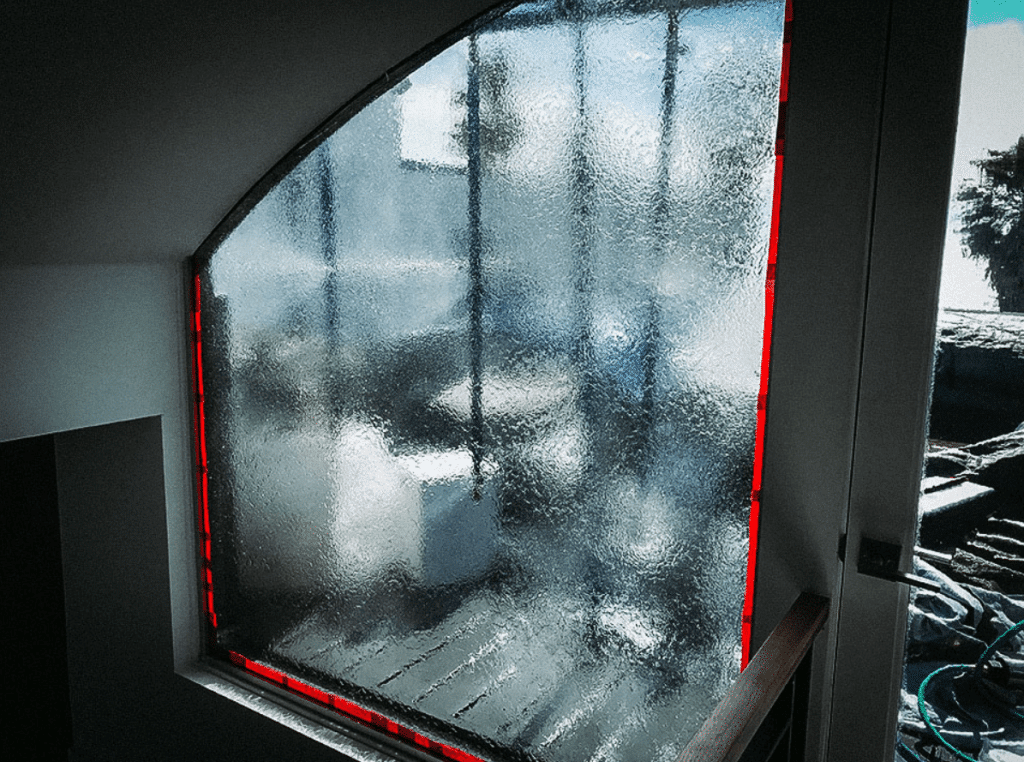
Rain on a window frame
Service Overview
What Is Window Leak Detection?
Quick answer
Window leak detection is the process of finding where water gets in around a window, whether through failed glass seals, deteriorated caulking and sealant, damaged frames, missing or improperly installed flashing, or the surrounding wall, by inspecting the window and wall assembly and mapping moisture in the drywall, framing and sill below.
Leaking windows cause discomfort and damage. They lead to mold growth and other significant problems, and defective or poorly sealed windows also increase heating and cooling costs. Window leaks usually show up during rain and, if not addressed, damage ceilings, furniture, floors and walls.
A window leak is not always the window’s fault. Water can enter through the wall above or beside the window and then show up at the frame. Repairs aimed at the wrong component, such as re-caulking a window when the flashing has failed, often do not stop the leak.
The minute you suspect a window leak at home or at work, have it checked. We locate the source, explain what failed and tell you the total cost of any repair before repair work begins.

Warning Signs
How to Tell if Your Windows Are Leaking
You can do a simple visual check yourself by looking for these common signs.
- Water inside after it rainsOn the sill, frame or floor below.
- Condensation between panesA sign the glass seal has failed.
- Deteriorating framesRot, warping or gaps in the frame.
- Bubbling or peeling paintOr water stains near the window.
- Mold or mildew near the windowOn the frame, sill or wall.
- Damp wall below the windowMoisture traveling down inside the wall.
- Rooms warmer or cooler than othersAir and water getting past seals.
- Higher energy billsPoorly sealed windows waste heating and cooling.
Leaks during storms from other areas too? See rain leak detection.
Causes
What Causes Window Leaks?
- Failed glass seals. In double-pane windows, the insulating gas between the panes escapes when the edge seals fail, and moisture can get in. Sometimes the sealed glass unit can be replaced rather than the whole window.
- Deteriorating caulk or sealant. Sealant around the window edges breaks down over time and lets water in.
- The wall itself. The leak may not be in the window at all but in the wall around it. You can check for cracks and holes yourself, but it is a good idea to have an expert confirm there is not a more serious issue.
- Improper installation. Windows that are not level or not properly flashed allow water to collect and enter.
- No gutters or overhangs. Without them, windows get more direct water contact, which wears away sealants faster.
Why window leaks get worse
Water entering at a window often runs down inside the wall, soaking framing and drywall below the sill before any stain appears. By the time paint bubbles or baseboards swell, the moisture may have been there through several storms.
Tell us where it appears and when. We will explain how we would find whether it is the window or the wall.
(619) 374-8554Or send a service requestHow It Works
How We Find a Window Leak
- 01
Inspect Inside
We check the sill, frame, drywall and floor below for moisture and staining.
- 02
Map the Moisture
Moisture readings and thermal imaging show how water travels around and below the window.
- 03
Inspect Outside
Seals, caulking, flashing, trim and the wall around the window are inspected.
- 04
Explain the Fix
You learn what failed and the total cost of repair before any repair work begins.
Detection Methods
Finding Whether It Is the Window or the Wall
We look at the whole window and wall assembly so the repair targets what actually failed.
Thermal Imaging
Reveals wet areas around and below the window by their temperature pattern.
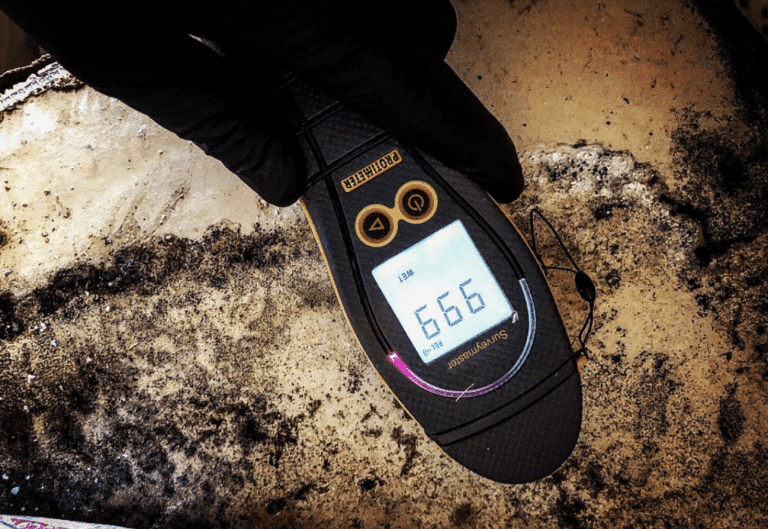
Moisture Readings
Confirms wet drywall, framing and sills and how far water has spread.
Window & Wall Inspection
Glass seals, caulking, flashing, frames and surrounding stucco or siding are inspected.
- Window and wall both evaluated
- Findings explained in plain language
- Repair cost before any repair work begins
Why It Matters
Why Window Leaks Should Be Located Professionally
- Fix the right thing. Re-caulking will not help if the flashing or wall is the problem.
- Hidden damage. Water inside the wall can rot framing and feed mold before it shows.
- Comfort and energy. Leaking windows let in air as well as water, raising heating and cooling costs.
- Protect finishes. Early detection protects flooring, furniture and window treatments below.
Not sure which service you need? Describe what you are seeing and we will point you in the right direction.
(619) 374-8554Or send a service requestRelated Services
Services Related to Window Leaks
Window leaks often connect to these services.



Explore all of our leak detection services.
Service Area
Window Leak Detection Across San Diego County
We find window leaks for homes, condos, HOAs and commercial buildings throughout San Diego County.
- La Jolla
- Torrey Pines
- Del Mar
- Carmel Valley
- Coronado
- Point Loma
- Bankers Hill
- La Mesa
- Chula Vista
150 neighborhoods and communities listed
FAQs
Window Leak FAQs
Common questions about window leaks. More answers on our leak detection FAQs page.
Talk to a leak detection specialist now. We answer 24 hours a day.
(619) 374-8554
How can I tell if my window is leaking?
Look for water on the sill or floor after rain, condensation between the panes, deteriorating frames, bubbling or peeling paint, water stains, mold near the window, a damp wall below it and rooms that are noticeably warmer or cooler than others.
Why is there condensation between my window panes?
It usually means the edge seals of a double-pane window have failed, letting the insulating gas escape and moisture in. Sometimes the sealed glass unit can be replaced instead of the whole window.
Can water come in around a window even if the window is fine?
Yes. Water can enter through the wall above or beside the window, or through failed flashing, and show up at the frame.
Will new caulking fix my window leak?
Only if deteriorated caulk is the cause. If the flashing, frame or wall is the problem, caulking will not stop the leak, which is why the source should be confirmed first.
Do leaking windows affect energy bills?
Yes. Defective or poorly sealed windows increase heating and cooling costs because air leaks along with water.
Do you offer window leak detection throughout San Diego County?
Yes. Call (619) 374-8554, available 24/7, or see all service areas.
Think You Have a Leak?
Window Leaking? Find What Failed.
Contact us for window leak detection. We will find whether it is the window or the wall and explain the repair before any work begins.

Request Window Leak Detection
Send a request and we’ll get back to you quickly. For active leaks, please call.
Emergency? Call (619) 374-8554. We’re open 24 hours.