The Short Answer
Every pool, spa and fountain loses some water to evaporation, splash-out and backwashing. A leak is more likely when the water level drops faster than those normal losses can explain, when it keeps dropping with the pump off, or when you see signs such as cracks, wet ground or a moving deck. A common rule of thumb is that losing more than about a quarter of an inch per day deserves a closer look, but weather has a big effect, so a simple bucket test is the most reliable first check.
Signs a Pool, Spa or Fountain May Be Losing Water
- The water level drops noticeably faster than usual, even in mild weather.
- You need to add water more than once a week, or an automatic fill valve seems to run often.
- Cracks appear in the shell, along the tile line or in the surrounding deck.
- The pump loses prime, or air bubbles show up in the pump basket or return jets.
- Ground near the pool, equipment pad or plumbing runs stays soggy, or grass there grows unusually well.
- The deck is sinking, lifting or separating from the coping.
- Your water bill rises without any other explanation.
- Water chemistry becomes harder to keep balanced, because fresh top-up water keeps diluting it.
Evaporation or a Leak?
Evaporation depends on sun, wind, humidity and water temperature. In San Diego County, hot inland days and dry Santa Ana winds can noticeably increase evaporation, and heated spas lose water faster than unheated pools. Fountains and water features lose extra water to splash and spray, especially on windy days. Because these losses vary so much, comparing the pool against a bucket of water under the same conditions is more useful than relying on a fixed number.
How to Do a Bucket Test
- Bring the pool to its normal operating level.
- Fill a bucket with pool water and place it on the first or second step, so it sits in the pool water at the same temperature.
- Mark the water level inside the bucket and the pool level on the outside of the bucket or on the tile.
- Turn off any automatic fill valve and run the pump on its normal schedule for 24 hours.
- Compare the two drops. If the pool level fell noticeably more than the water in the bucket, a leak is likely.
- Repeat the test with the pump off. If the loss is greater with the pump running, the leak is more likely in the pressure-side plumbing; if it is the same either way, it may be in the shell or structure.
Simple Checks You Can Do
- Equipment pad: look for drips, damp soil or white mineral crust around the pump, filter, heater and valves.
- Skimmer and fittings: check the skimmer throat, light niches, return fittings and main drain cover for cracks or gaps.
- Tile line and coping: look for cracked grout, loose tiles or open joints between the deck and the coping.
- Automatic fill valve: an autofill can hide a leak by constantly topping the pool up. Turn it off while you test.
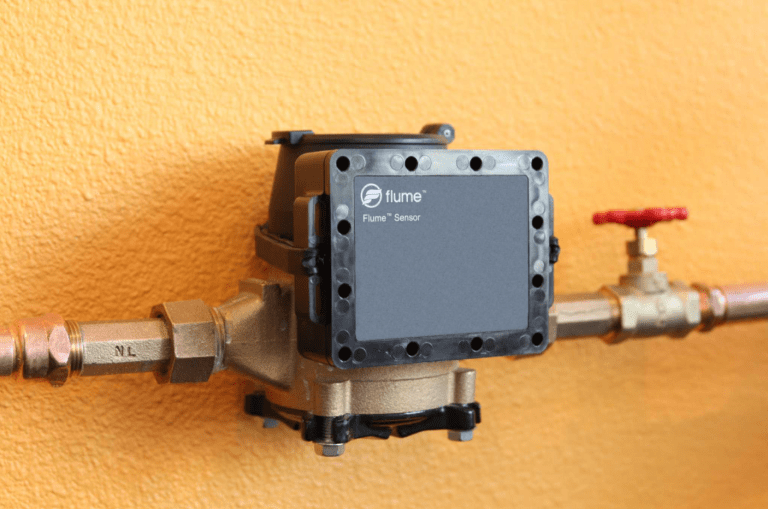
- Water meter: with the autofill off and no water being used in the house, a moving meter points to a leak on the property, which may be in the pool fill line, irrigation or the home’s own water lines.
Why Pool and Spa Leaks Should Not Be Ignored
A slow leak can wash out the soil that supports the deck and the pool shell, leading to settling, cracking and uneven paving. Water that keeps flowing toward the house can saturate soil near the foundation. Constant top-ups also waste water, add to the water bill and increase chemical costs, because every refill dilutes the treated water already in the pool.
When to Call a Specialist
If the bucket test or your checks point to a leak in the pool shell, fittings or pool plumbing, a licensed swimming pool contractor can carry out pressure testing, dye testing and repairs. In California, swimming pool contractors hold a C-53 license, which you can verify with the Contractors State License Board.
If the water meter shows a leak but the pool is not losing water, the problem may be elsewhere on the property. See high water bill detection for how unexplained water use is traced, and irrigation system leak detection if wet areas line up with sprinkler or drip lines. Wet patches around patios and outdoor paving are covered in patio leak detection.
Preventing Leaks and Water Loss
- Keep the water at the level recommended for your skimmer, and note how much you add each week so changes stand out.
- Inspect the tile line, coping and deck joints every season and reseal open joints.
- Keep water chemistry balanced; corrosive or scaling water is hard on plaster, fittings and equipment.
- Have the pump, filter, heater and valves checked regularly for worn seals and o-rings.
- Watch for tree roots near pool plumbing and keep heavy loads off the deck edge.
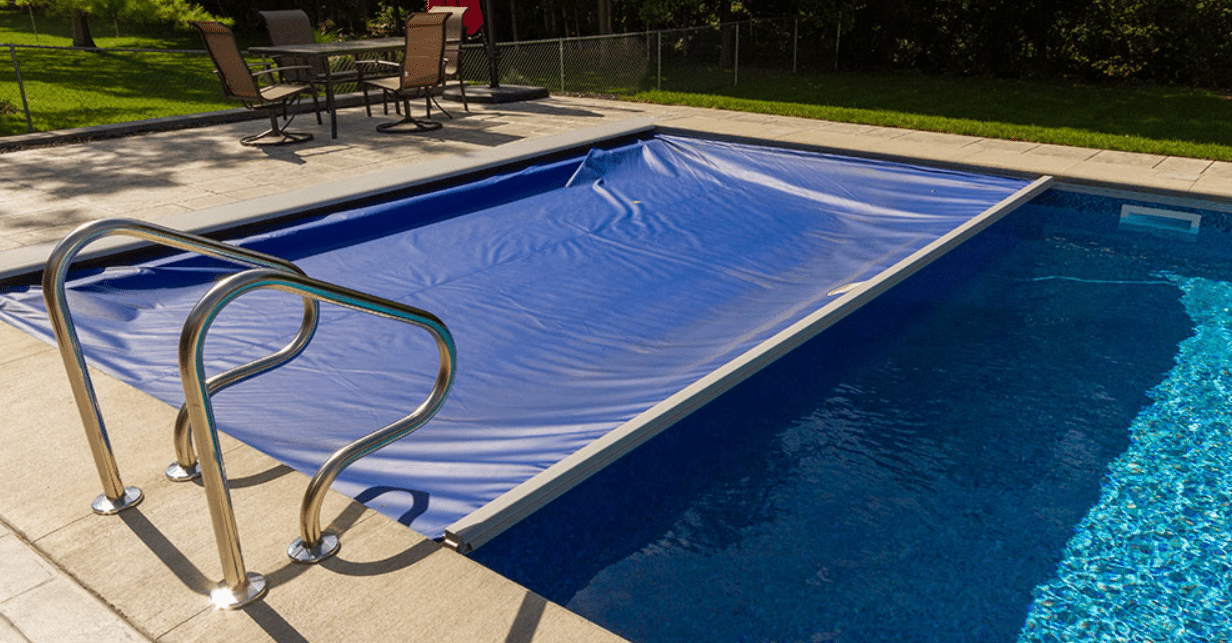
- Use a cover on spas and pools when they are not in use to reduce evaporation.
Frequently Asked Questions
How much water loss is normal for a pool?
It depends on the weather. Hot, dry or windy days can cause noticeably more evaporation than cool, still days. A rule of thumb is that more than about a quarter of an inch per day is worth investigating, but a bucket test gives a more reliable answer for your conditions.
Can a pool leak raise my water bill?
Yes. If an automatic fill valve keeps topping up the pool, or you add water by hose, a leak shows up as extra water use on the bill.
Can a pool leak damage the house?
A persistent leak can saturate and wash out soil under the deck, and water flowing toward the house can reach the soil near the foundation. That is why water loss that keeps going should be investigated.
Who repairs pool and spa leaks?
Leaks in the pool shell, fittings and pool plumbing are handled by licensed swimming pool contractors. Leaks in a home’s water lines or irrigation are a separate issue and are traced from the water meter and property plumbing.