The three questions homeowners ask most about slab leaks are whether a high water bill can mean a leak under the slab, whether falling water pressure is a sign, and whether a musty smell with no visible mold can point to a hidden leak. The short answer to all three is yes, and each one is worth checking. Here are the questions as customers ask them, with practical answers.
Question 1: Our water bill went up even though we were away. Could it be a slab leak?
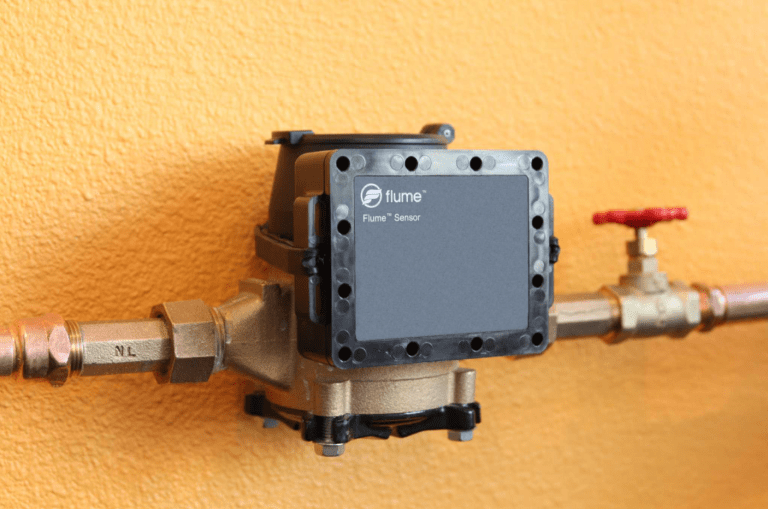
It could. A leak in a supply line under the slab runs constantly, whether or not anyone is home, so a bill that rises while your usage stays the same, or goes down, is one of the first signs. Before assuming a slab leak, rule out a running toilet or an irrigation leak. Then watch the water meter with every fixture off: if it keeps moving, water is escaping somewhere. Our article on major signs of a slab leak covers the other clues.
Question 2: Our water pressure has dropped, especially upstairs. What causes that?
A leak under the slab lets water escape before it reaches your fixtures, which can lower pressure throughout the house. Upper floors usually feel it most. Low pressure has other causes too, including a failing pressure regulator, partially closed valves and mineral build-up, so it is best treated as one clue among several. See common causes of low water pressure.
Question 3: There is a musty smell but we cannot see any mold. Could there be a leak we cannot see?
Yes. Water escaping under a slab can rise into flooring, carpet padding and baseboards, and that steady moisture produces a damp, musty odor and mold growth where you cannot see it. If the smell is strongest in one area and does not go away with cleaning and ventilation, a hidden leak is a real possibility.
Other signs that often come with a slab leak
- Warm spots on the floor, especially from a leaking hot water line
- The sound of running water when nothing is on
- Damp or warped flooring and new cracks in tile or walls
- A water heater that seems to run more than usual
How a slab leak is confirmed and located
A specialist confirms the leak with meter and pressure testing, isolates which line is leaking, and then pinpoints the spot with acoustic listening equipment and thermal imaging, before any concrete is opened. That keeps the repair as small as possible. Learn more about slab leak detection; the repair options are covered in options to repair slab leaks.
Don’t wait on a suspected slab leak
Water running under a foundation can damage flooring and soften the soil beneath the slab the longer it continues. If these questions sound familiar, call 1st Response Leak Detection at (619) 374-8554 or request service online.