Leak detection is the process of confirming that water is escaping from a plumbing system and pinpointing exactly where, using non-invasive tools instead of opening walls, floors or concrete to search. Many leaks in fixtures, fittings and piping go unnoticed for months or even years because the water escapes somewhere you cannot see. Professional leak detection finds the source so a repair can be small and targeted.
What leak detection actually involves
Leak detection answers two questions: is water being lost, and where is it going? A specialist usually works from the general to the specific:
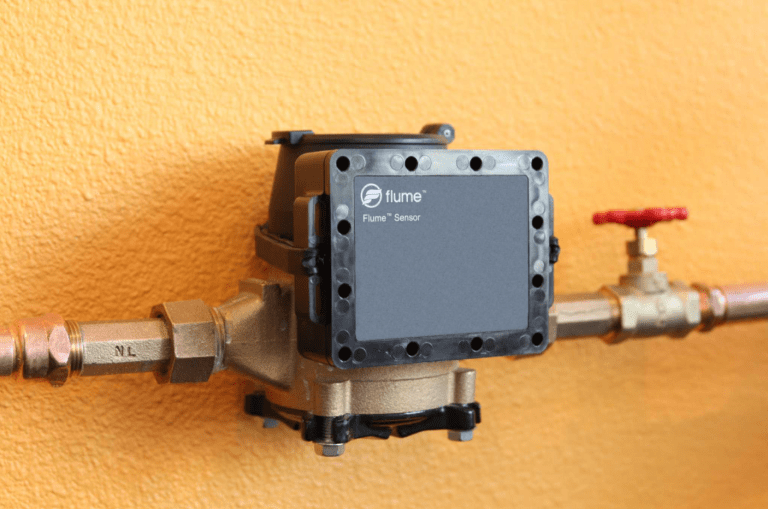
- Confirm the leak. Watching the water meter with every fixture turned off, and pressure testing sections of the plumbing, shows whether a line is actually losing water.
- Narrow it down. Isolating hot and cold lines, irrigation and individual fixtures separates the leaking line from the healthy ones.
- Pinpoint the location. Tools such as thermal imaging, acoustic listening equipment and moisture meters trace the leak to a specific spot.
- Mark it for repair. Once the source is found, it can be marked so the repair opens only what is necessary.
The main leak detection methods
- Pressure (hydrostatic) testing isolates and pressurizes a section of piping to confirm whether it is holding water. It is especially useful for lines under a slab or underground.
- Acoustic leak detection uses sensitive listening equipment to pick up the sound of water escaping a pressurized pipe through concrete, soil or walls.
- Thermal imaging shows temperature differences on a surface. Wet materials and hot water leaks often leave a pattern a thermal camera can follow; see thermal imaging leak detection.
- Moisture mapping measures how far water has spread through drywall, flooring and framing, and helps confirm when materials have dried.
- Camera inspection puts a camera inside drain and sewer lines to show cracks, separations and root intrusion.
No single tool finds every leak. Thermal imaging needs a temperature difference to work with, and acoustic equipment works best on pressurized lines, so methods are usually combined.
Where hidden leaks are commonly found
- Water lines under a concrete slab foundation (slab leaks)
- Supply and drain lines inside walls and above ceilings
- Shower pans, tub drains and the connections under sinks
- Underground supply lines and landscape irrigation
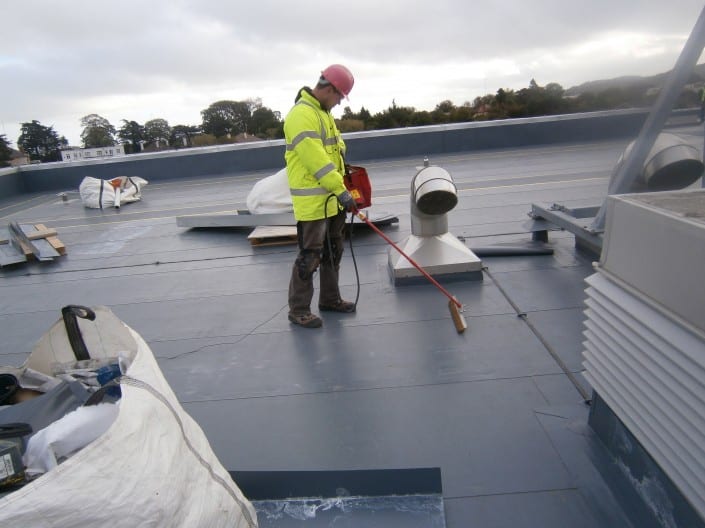
- Roofs, windows, balconies and other points where rain can enter
Why professional detection is worth it
Guessing at a leak’s location usually means opening more wall, floor or concrete than necessary. Pinpointing the source first keeps repairs smaller, stops water damage sooner and helps prevent mold and the structural problems that follow long-running leaks. It applies equally to homes, apartment buildings, HOA communities and commercial properties.
When to call
Consider leak detection if you notice an unexplained rise in your water bill, a meter that moves with all water off, warm spots on a floor, stains on walls or ceilings, or the sound of running water when nothing is on. Our signs of a leak guide covers the warning signs by area of the home. For a leak you cannot locate, mystery leak detection is designed for exactly that. You can call (619) 374-8554 or request service online.