It is vital to detect water leaks early because a hidden leak keeps doing damage every hour it runs: it wastes water, raises your bill, soaks building materials and creates the damp conditions mold needs. Most of that damage happens out of sight, which is why finding a leak quickly matters more than how small it looks.
What an undetected leak can cost a home
- Water damage that spreads. Drywall, insulation, subfloors and cabinets absorb water quietly. By the time a stain appears, the wet area is often much larger than the stain.
- Mold and odors. Ongoing moisture behind walls or under floors encourages mold and musty smells, which are much harder to deal with than the leak itself.
- Higher water bills. A continuous leak runs 24 hours a day, so even a modest leak adds up over a billing cycle.
- Structural and foundation problems. Long-running leaks under slabs or in crawl spaces can soften soil and damage flooring and framing.
- Bigger repairs later. A leak found early is usually a targeted repair. A leak found late can mean replacing flooring, drywall and cabinetry as well.
Common causes of household leaks
Many household leaks start with small worn parts and aging materials:
- Damaged or poor-quality gaskets and washers
- Worn O-rings in ball, cartridge and disc-style faucets
- Worn inlet and outlet seals in faucets
- Mineral and sediment build-up that wears fixtures and valves
- Corroded pipes and loose or failing connections
- High water pressure that stresses pipes, hoses and fittings
Warning signs worth acting on
- A water bill that rises with no change in how you use water
- A water meter that keeps moving when all water is off
- Stains, bubbling paint or soft drywall
- Warm or damp spots on floors
- A persistent musty smell
- The sound of running water when no fixture is on
The signs of a leak guide explains what each of these can point to, room by room.
What you can check yourself
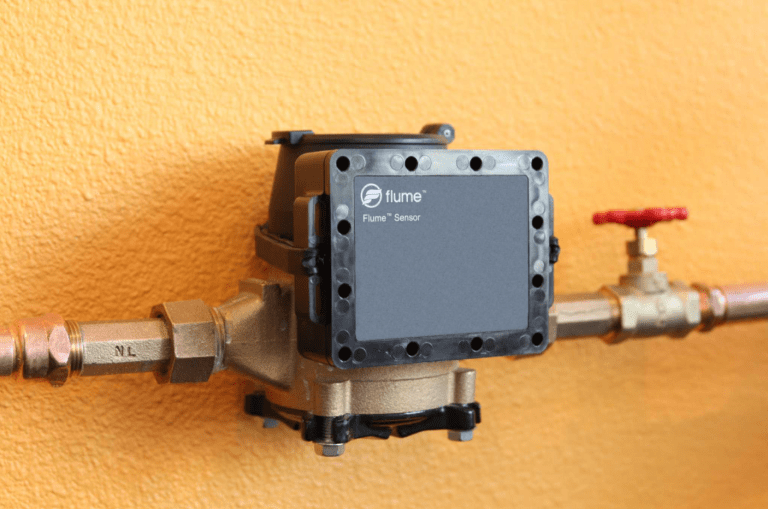
Turn off every faucet, appliance and irrigation zone, then look at your water meter. If the dial or leak indicator keeps moving, water is flowing somewhere. Check under sinks, around toilets and behind appliances for moisture, and listen for running water at night when the house is quiet. If those checks point to a leak you cannot see, that is the moment to bring in a specialist.
How professionals find the source
A leak detection specialist confirms the leak with meter and pressure testing, then pinpoints it with non-invasive tools such as acoustic equipment, thermal imaging and moisture meters. This is explained in more detail in important facts about leak detection. If the leak turns out to be under the slab, slab leak detection applies; once the source is found, leak repair can be targeted.
If you think your home has a leak, call 1st Response Leak Detection at (619) 374-8554 or request service online. We serve homeowners throughout San Diego County.